Where to go
Louisiana destinations
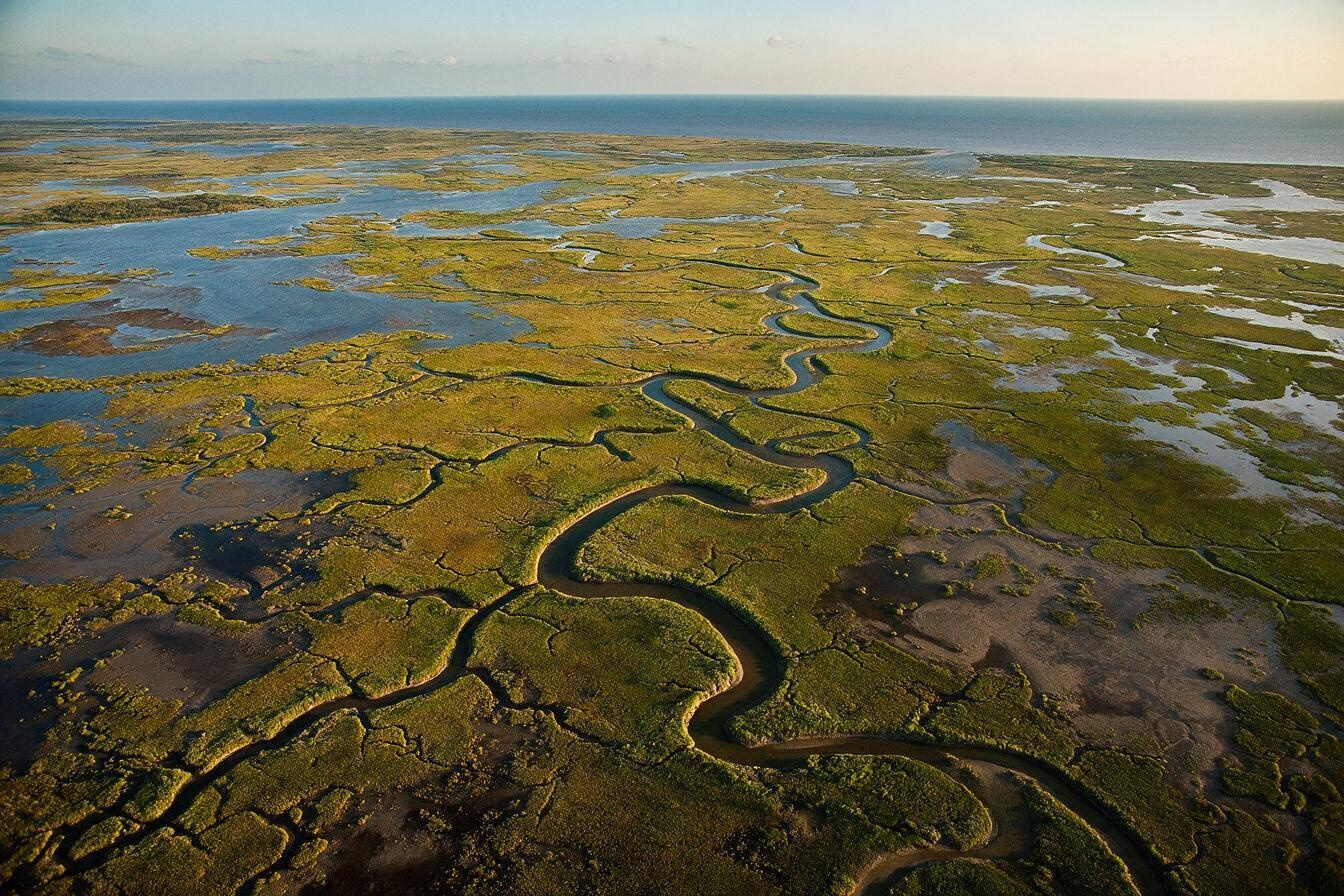
Eight regions with genuinely different personalities — from a walkable eighteenth-century grid to a marsh with no roads at all. Choose by appetite, not by map.
How Louisiana is put together
People often treat Louisiana as “New Orleans plus a swamp tour”. The state is far more varied: French-speaking prairie in the south-west, Anglo-Saxon piney woods in the north, and the most economically important river in North America running through the middle.
Regional identity here is real, not tourist-board invention. Acadiana speaks its own dialect and dances to its own music. The River Road between New Orleans and Baton Rouge was built on sugar and enslaved labour, and it demands to be visited with that context attached. North Louisiana has more in common with east Texas and Arkansas than with the bayou. Knowing which region you are in explains the food on the plate, the accent, and why the nearest town is 30 miles away.
Below is what each region is actually like, with a realistic minimum stay. Internal links lead into full guides for the three biggest hubs.
Southeast · 3–4 days
New Orleans & the metro
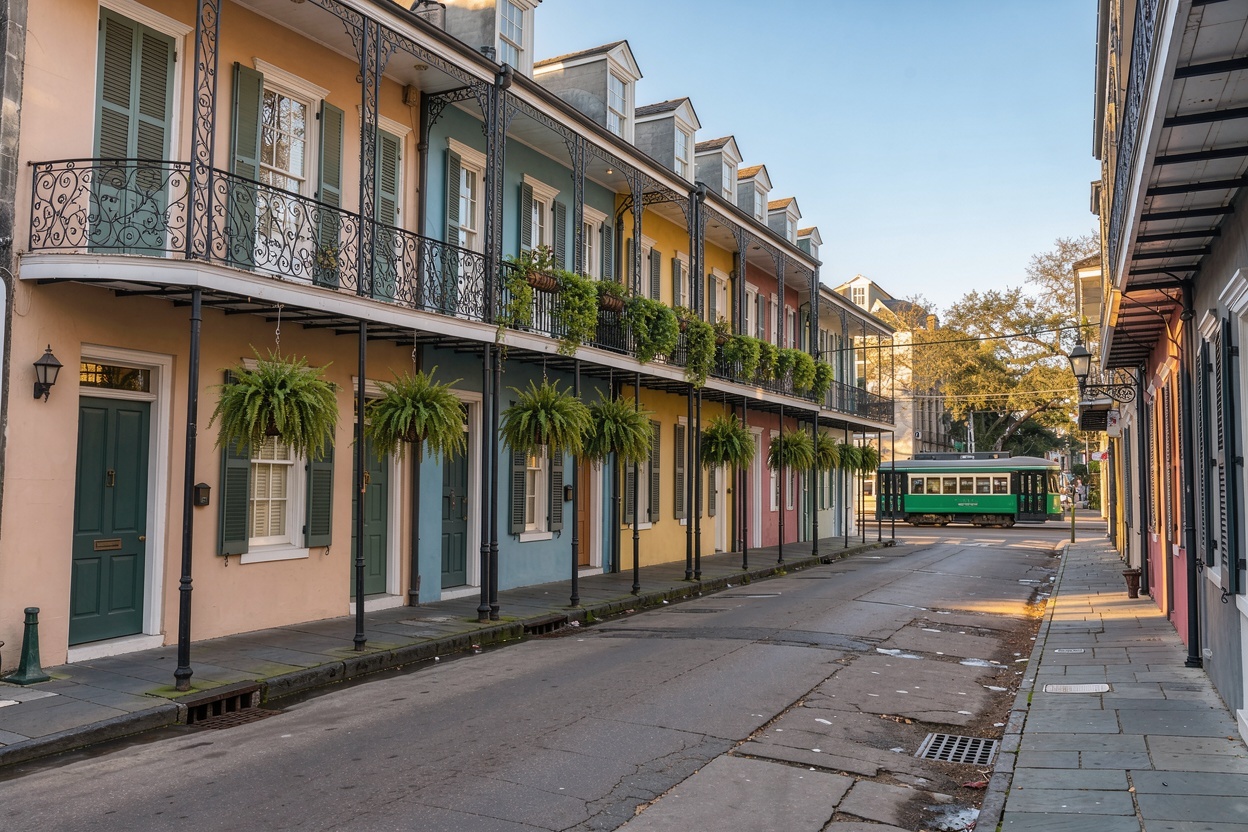
The only major American city you can genuinely explore on foot and streetcar. French Quarter, Marigny, Garden District and the river.
New Orleans guide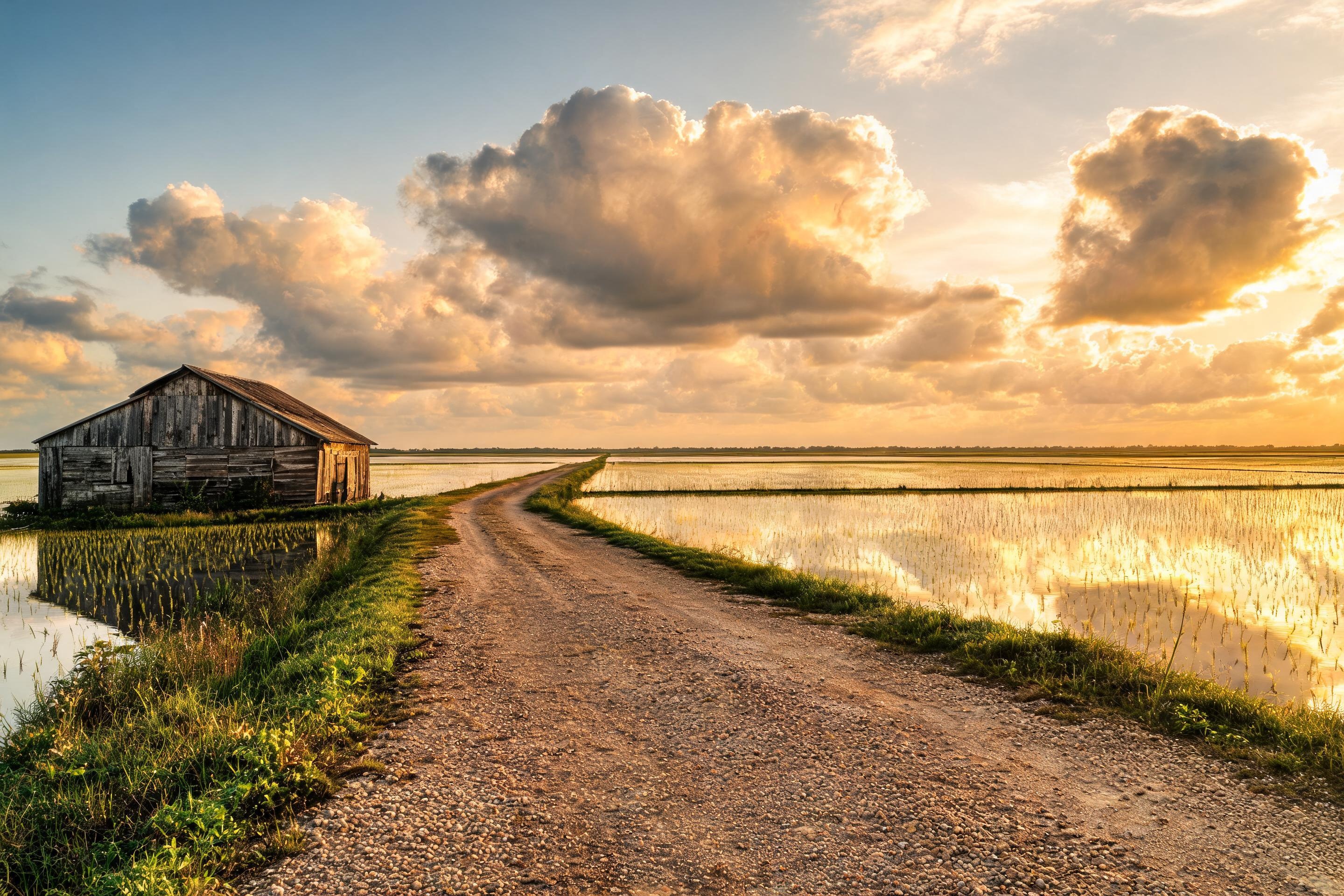
Acadiana · 2–3 days
Cajun Country
Lafayette and its prairie towns: zydeco, boudin, crawfish farms and the Atchafalaya Basin at the doorstep.
Cajun Country guide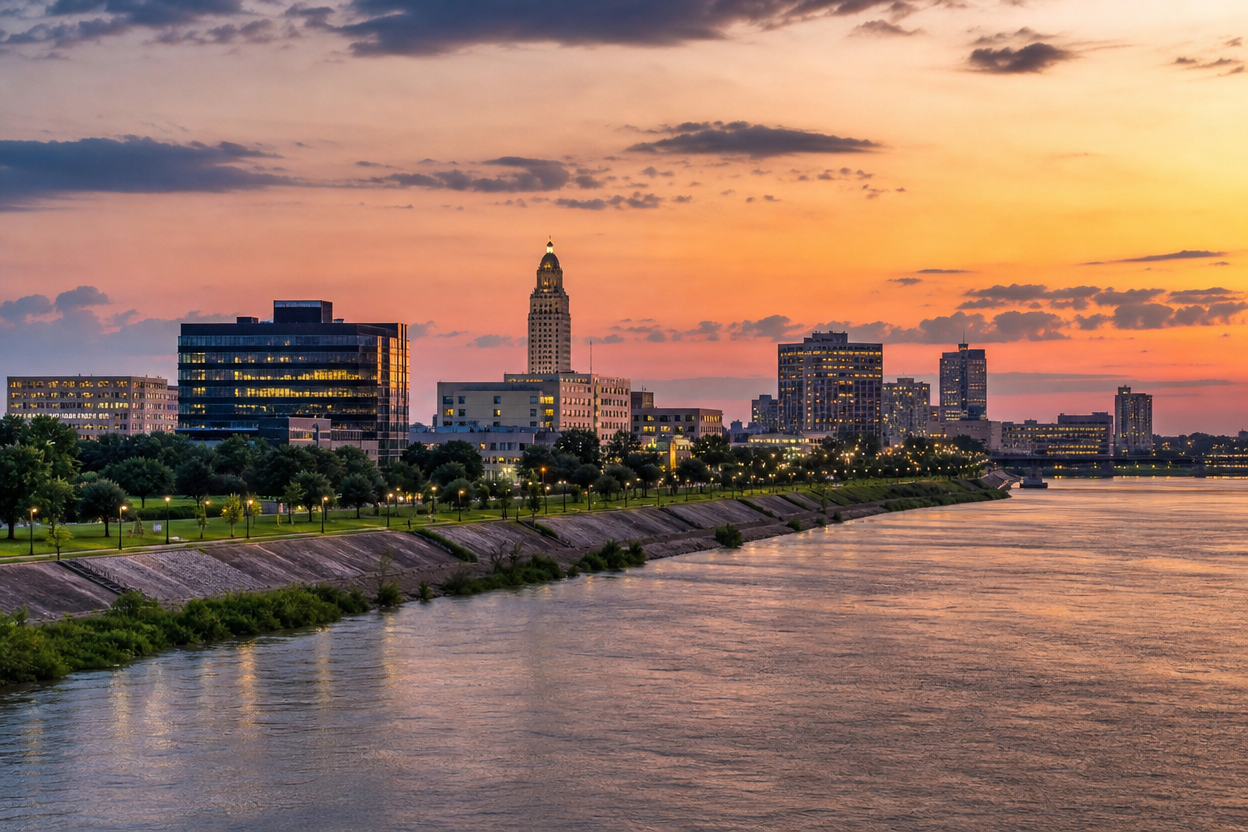
Capital region · 1–2 days
Baton Rouge
An Art Deco state capitol, LSU, real museums and a riverfront worth an afternoon on the way through.
Baton Rouge guideRiver Road
Plantation Country & the Great River Road
Between New Orleans and Baton Rouge, Louisiana State Highway 18 and 44 run along the levee past the largest concentration of antebellum plantation houses in the South. It is a beautiful drive and a difficult one: these houses were built by enslaved people, and the best sites now tell that story rather than hiding it.
Plan a full day minimum, or two if you want to see both banks properly. The river road is narrow, uneven in places, and slow — average 35 mph. Choose two or three properties rather than trying to tick off seven; the good tours run 60–75 minutes and deserve attention.
Visiting with context
- Look for sites with explicit, researched interpretation of slavery — not a paragraph in a brochure.
- The River Road African American Museum in Donaldsonville is an essential counterweight to the house tours.
- Whitney Plantation is the best-known site dedicated entirely to the history of the enslaved.
- Oak Alley is the visual icon — the quarter-mile oak canopy — and pairs well with a second, more historically complete site.
- Heat and mosquitoes are serious June–September; the canopy provides shade but not the buildings.
Practical note
The two river banks do not connect for long stretches. Crossing points are limited — plan your loop around the Sunshine Bridge or the Baton Rouge and New Orleans bridges to avoid a 45-minute detour.
North & north-west
North Louisiana: pines, bricks and the oldest town in the Purchase
The part of Louisiana that visitors skip — and the part that surprises them most.
Natchitoches
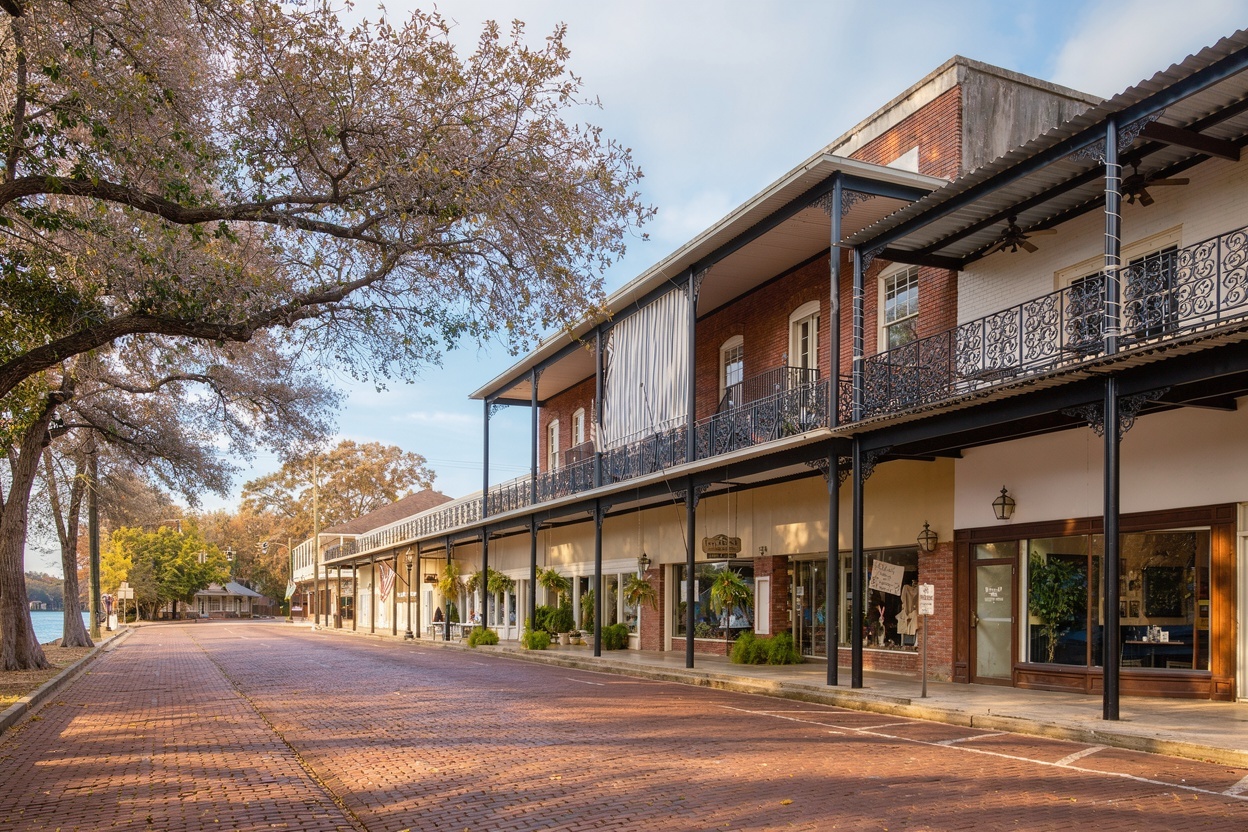
Founded in 1714, Natchitoches is the oldest permanent European settlement in the entire Louisiana Purchase territory. Its Front Street is a brick-paved riverfront of iron balconies and small shops along the Cane River — the setting for the film Steel Magnolias. It is genuinely charming and takes about half a day, plus the nearby Cane River Creole National Historical Park and the plantations along the Cane River.
Time your visit for the Christmas Festival of Lights if you like crowds and illuminated riverbanks, or avoid December entirely if you do not.
Shreveport–Bossier City
The state’s third-largest metro and historically a music town: the Louisiana Hayride radio show launched careers here, including a very young Elvis Presley. Today it is casinos, a decent art museum, the Red River waterfront and some wonderful old neighbourhoods. It makes a sensible overnight stop between Texas and the rest of the state.
Poverty Point & the piney woods
Poverty Point World Heritage Site near Epps is a 3,400-year-old earthwork complex built by Indigenous people — six enormous ridges and mounds arranged with deliberate geometry. It is a UNESCO World Heritage Site, free to walk, and oddly overlooked. Combine with the state parks of the piney woods for a quiet outdoor day.
Southwest
The Gulf Coast and the Creole Nature Trail
Lake Charles sits at the edge of a marsh system so productive that it is nicknamed the “Louisiana Outback”. The Creole Nature Trail All-American Road loops roughly 180 miles from Sulphur down through Hackberry and Cameron to the Gulf, through wildlife refuges where alligators sun on the banks and the birding is exceptional in migration.
This is not a resort coast. Beaches are undeveloped, services are sparse, and the appeal is emptiness: herons, roseate spoonbills, crab traps, and a horizon of marsh grass. Bring water, fuel up before Cameron, and check the tide and weather. Hurricane recovery is still visible in places, and some businesses keep irregular hours.
What it is good for
- Birding — spring and autumn migration are the peaks
- Fishing — inshore redfish and speckled trout are the local religion
- A slow, flat, wide-sky drive with almost no traffic
- Boudin and cracklins at rural convenience stores
Choosing between regions
A quick decision table for first-time visitors with limited days.
| Region | Min. stay | Best for | Skip if |
|---|---|---|---|
| New Orleans | 3 days | Food, music, architecture, walking | You dislike crowds and noise |
| Cajun Country | 2 days | Music, swamp, rural food | You want walkable cities |
| Baton Rouge | 1 day | State history, LSU, museums | You are short on time |
| Plantation Country | 1 day | Architecture, history, photography | You want light content only |
| North Louisiana | 2 days | Small towns, quiet, early history | You only have a week |
| Gulf Coast | 1–2 days | Birding, fishing, solitude | You want a beach resort |