Practical planning
Plan your Louisiana trip
Weather, roads, hotels, storm season and what to pack. The unglamorous information that decides whether a trip is good.
The best time to visit Louisiana
Two windows are comfortably better than the rest: late February to May, and October to early December. Both give warm but not punishing days, low humidity, and everything open. Everything else is a trade-off between heat, storms and crowds.
| Season | Weather | Crowds | Verdict |
|---|---|---|---|
| Dec–Feb | 8–18 °C, occasional cold snaps | Low, except Mardi Gras | Best value. Mardi Gras dates move each year — check before booking. |
| Mar–May | 22–28 °C, low humidity | High; crawfish and festival peak | The single best window. Book early. |
| Jun–Aug | 31–35 °C, very humid, daily storms | Moderate | Doable with a plan: mornings outdoors, afternoons indoors. |
| Sep–Nov | Sept hot; Oct–Nov excellent | Sept low, Oct rising, Nov low | Late Oct onward is the year’s sweet spot. |
Mardi Gras and Jazz Fest move your trip
Mardi Gras falls on a different date every year — anywhere from early February to early March. Jazz Fest is the last weekend of April plus the first weekend of May. Hotel rates in New Orleans can double or triple, and central rooms sell out six to nine months ahead. If your dates are flexible, plan around these weeks or deliberately into them.
What the weather actually feels like
The number on the forecast undersells it. Louisiana humidity pushes the heat index 5–8 °C above air temperature for much of the summer, which means a “33 °C” day feels like 39–41 °C by early afternoon. Convection storms are sudden, intense and usually over in 45 minutes.
- Start early. Anything involving walking should happen before 10am in summer.
- Carry a light rain layer year-round. Afternoon storms are a certainty from June to September.
- Drink more than you think. Dehydration here is real and sneaks up on visitors.
- Book air conditioning. It is not a luxury in July; check that your accommodation has it.
- Winter does get cold. January can drop to near freezing for a few days. Bring layers.
Hurricane and flood season, honestly
The Atlantic hurricane season runs 1 June to 30 November, with the statistical peak from mid-August to late October. This does not mean you should avoid those months — most days are beautiful — but it does mean you should plan for the possibility.
- Buy flexible or cancellable accommodation for June–November, especially on the coast and in low-lying parishes.
- Watch the National Hurricane Center, which issues official forecasts. Ignore viral social media model runs.
- Know that inland floods too. Heavy rainfall closes rural roads quickly and water depth is impossible to judge. Never drive through standing water.
- If an evacuation is ordered, go. Contraflow reverses major highway lanes and gets you out fast if you leave when asked, and not at all if you wait.
- Travel insurance with trip interruption is genuinely worth it in season.
Getting there and getting around
Airports
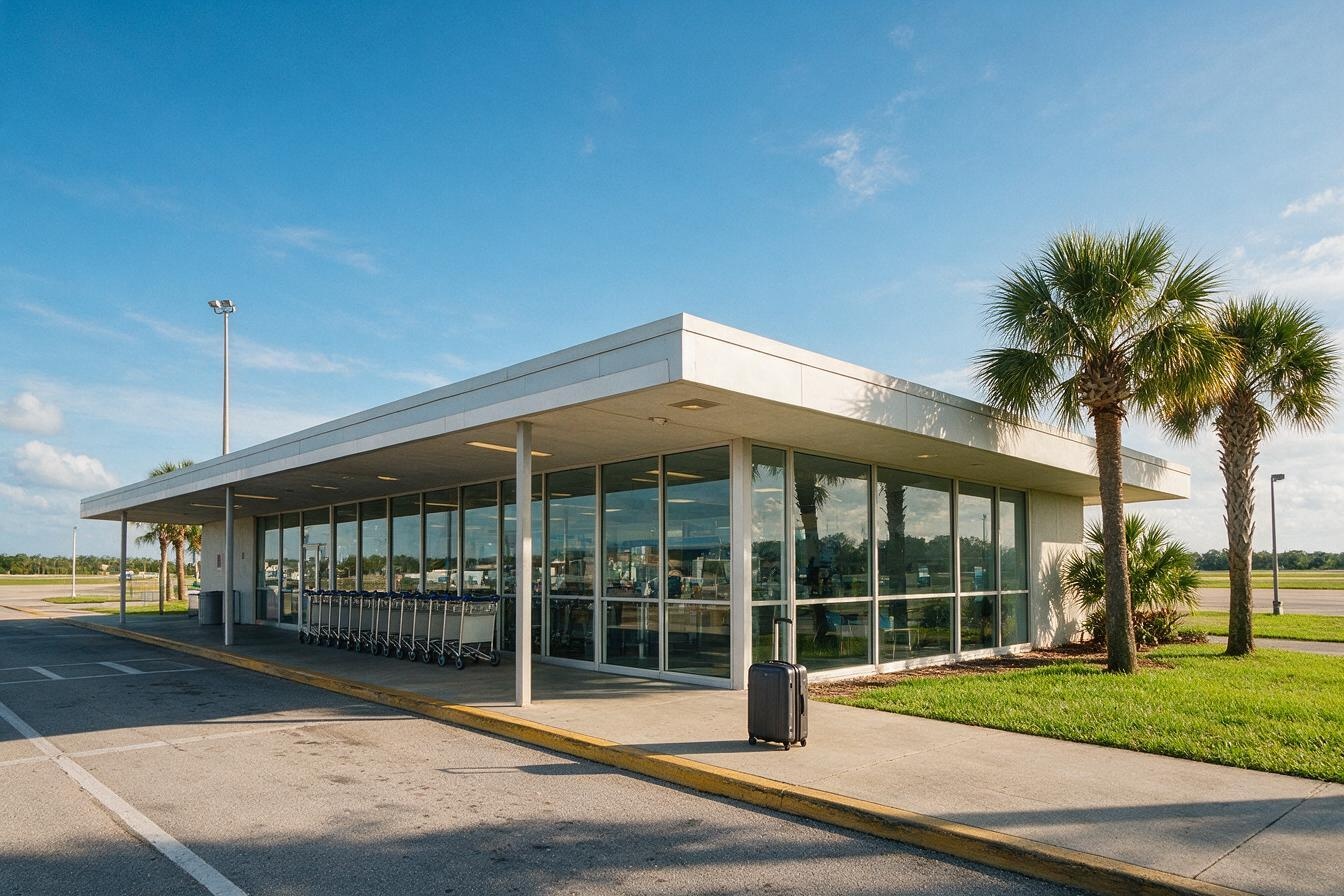
- MSY — New Orleans Louis Armstrong is the main gateway: about 25 minutes from the CBD, with the widest choice of flights.
- BTR — Baton Rouge is small and convenient for the capital and the River Road.
- LFT — Lafayette serves Cajun Country with limited connections.
- SHV — Shreveport and AEX — Alexandria cover the north.
Cars
Beyond New Orleans, a car is not optional. Hire at MSY or downtown New Orleans; rates rise sharply for festival weekends and one-way fees apply between cities. Fuel up before long rural stretches — the Basin and the Creole Nature Trail both have long gaps.
In New Orleans
- Walk in the Quarter, Marigny and CBD. Wear flat shoes; pavements are uneven.
- Streetcars on St Charles, Canal and the riverfront: $1.25 per ride, exact change, no cards. Multi-day passes exist.
- Rideshare is plentiful; surge pricing after events is real, so walk a few blocks away first.
- Do not hire a car if you are staying in the city. Parking costs more than the car and the Quarter is not drivable in any useful sense.
Where to stay
- New Orleans: the French Quarter for atmosphere, the CBD/Warehouse District for value and quiet, Uptown for a residential feel and the streetcar. Avoid hotels directly on Bourbon if you want to sleep.
- Baton Rouge: downtown for museums and the riverfront; near LSU for campus and game weekends.
- Lafayette: downtown for walkable restaurants and music; the outskirts for cheaper chain hotels and parking.
- Small towns: book directly by phone where possible. Inventory is tiny and online availability is often wrong.
- Plantation Country: a handful of historic properties offer overnight stays; otherwise base in Baton Rouge or Gonzales.
Packing and budget
Pack this
- Light, breathable clothing in cotton or linen
- Comfortable flat walking shoes
- Rain shell (compact, year-round)
- Insect repellent with picaridin or DEET
- Sunscreen and a hat
- Refillable water bottle
- Cash — small bills for covers, tips and counters
- A light layer for air conditioning
Leave behind
- Heels — the pavements and cobbles will win
- An over-scheduled plan
- Assumptions about “Southern” food; it is its own thing
- Impatience — service is warm but unhurried
Rough daily budget
| Style | Accommodation | Food | Activities | Daily total |
|---|---|---|---|---|
| Budget | $70–110 | $35–50 | $10–25 | $115–185 |
| Mid-range | $150–230 | $60–90 | $25–55 | $235–375 |
| Comfortable | $280+ | $110+ | $60+ | $450+ |
Indicative planning ranges, not quotes. Add a hire car ($45–90 per day plus fuel) outside New Orleans, and expect significant seasonal uplift during Mardi Gras, Jazz Fest and LSU home games.
Safety notes, without the hysteria
- Petty theft is the main risk in tourist districts. Keep phones out of sight while walking at night and do not leave anything visible in a parked car.
- Know your neighbourhood. New Orleans has real violent-crime concentrations in specific areas; the tourist core is well policed but blocks change quickly after dark.
- Ignore street hustlers. The “I bet I can tell you where you got your shoes” con and unrequested “free” bracelets or CDs are decades-old. Keep walking.
- Water and wildlife. Alligators live in fresh water everywhere here. Do not swim in bayous, and keep to marked areas in state parks.
- Heat is a genuine hazard — more so than crime. Hydrate, and do not schedule a full day outdoors in August.
- Beer is legal on the street in New Orleans in an open container, but not across the state and not in a car. Know the local rule.
Frequently asked
How many days do you need in New Orleans?
Three days is the honest minimum for the city itself: one for the Quarter, one for Uptown and the Garden District, and one for the Marigny, Bywater and a long meal. Two days covers the essentials; five lets you add a swamp tour and the River Road.
Is Louisiana expensive?
Outside peak festival weeks it is one of the better-value destinations in the United States. Food is excellent at low prices, state parks and many museums are free or cheap, and outside the tourist core hotels are reasonable. The main variable costs are a hire car and accommodation during Mardi Gras or Jazz Fest.
Can you visit Louisiana without a car?
New Orleans yes, easily — walk, streetcar and rideshare cover it. The rest of the state no: Cajun Country, the River Road, the state parks and the Gulf Coast all require a car. A common compromise is a few car-free city days followed by a hire car for the road trip.
What is the hurricane risk for visitors?
Season runs 1 June to 30 November, peaking mid-August to late October. Most days in that window are fine, but you should buy flexible accommodation and check the National Hurricane Center during your trip. If an evacuation is ordered, leave immediately.
Is Louisiana suitable for families?
Very. Slow swamp boats, the USS Kidd in Baton Rouge, Mike the Tiger at LSU, Audubon Zoo and Park in New Orleans, and the science museums all work well for children. Airboats usually have a minimum age of around five; check before booking.
What should you not miss on a first trip?
Gumbo in a proper Creole kitchen, one night of live music on Frenchmen Street, a slow boat through a cypress swamp, and one River Road plantation visited with its full history attached. Those four experiences are Louisiana.
The shape of a trip
Seasons and settings