Experiences
Things to do, by sense
Louisiana rewards participation. These are the experiences worth rearranging a trip around — organised by what you will taste, hear, feel and learn.
1. Eat seriously
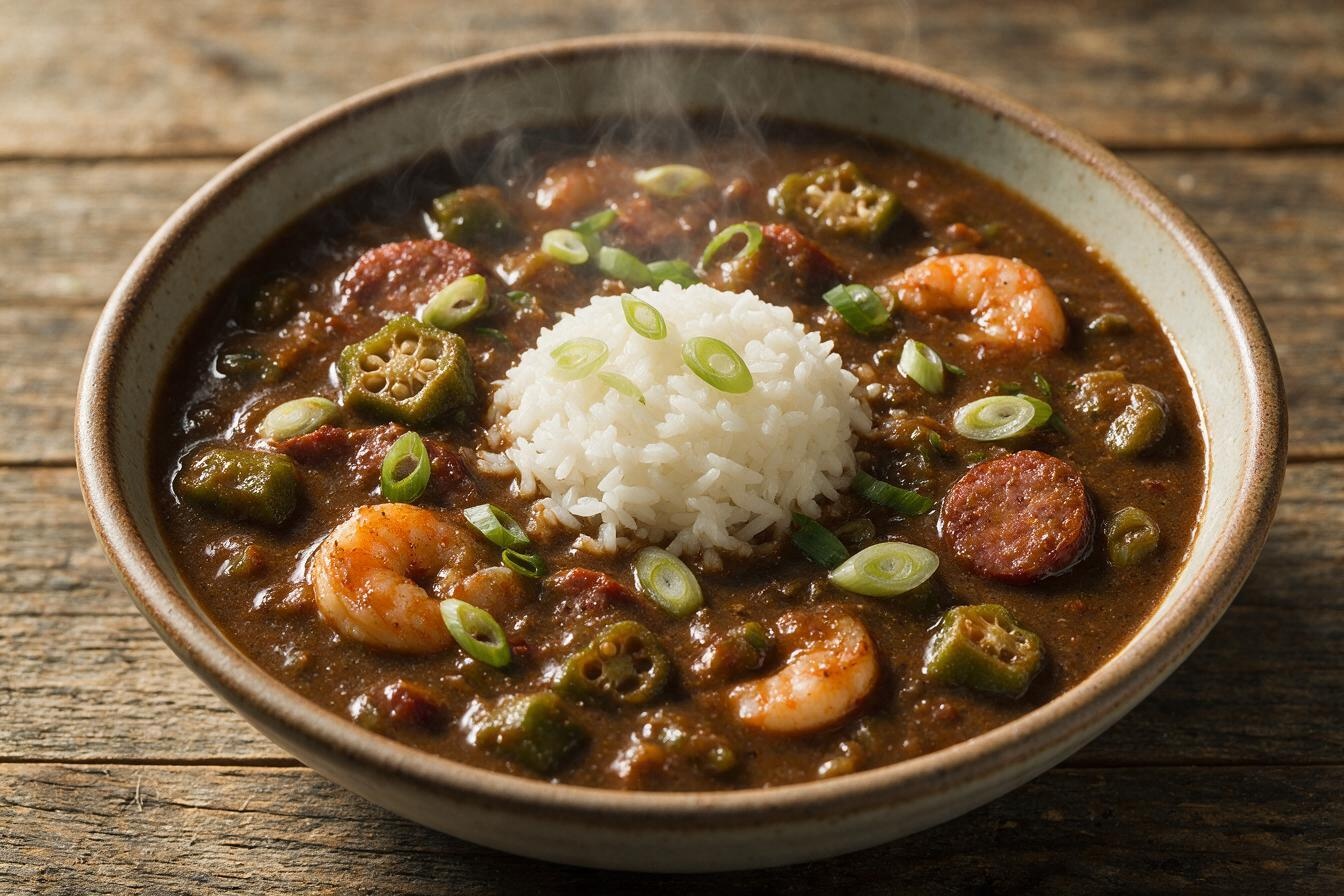
Louisiana has two great cuisines, and they are not the same thing. Creole is urban, French-influenced, sauce-based, and born in New Orleans kitchens where African, Spanish, French and Sicilian cooks worked alongside each other. Cajun is rural, Acadian, built on the whole pig, one pot, a dark roux and smoke.
Practical eating rules that actually help:
- Leave the tourist core for the best food. In New Orleans, the strongest kitchens are Uptown, Mid-City and the Bywater.
- Gumbo is a roux test. A pale gumbo is a shortcut. Ask what is in the pot today rather than what is on the laminated menu.
- Buy boudin at a counter, from a place with a drive-through and a hand-written sign. Gas stations in Acadiana have better boudin than most restaurants.
- Crawfish season is March–May. Outside it, eat étouffée and know the tails were frozen.
- Monday means red beans. It is a tradition, not a menu quirk.
Dishes to try before you leave
Gumbo · jambalaya · crawfish étouffée · boiled crawfish · boudin · po’ boy · muffuletta · red beans and rice · beignets · pralines · sno-ball. That is ten days of eating and it is the correct order of priority.
2. Hear it live, in the room it was made for
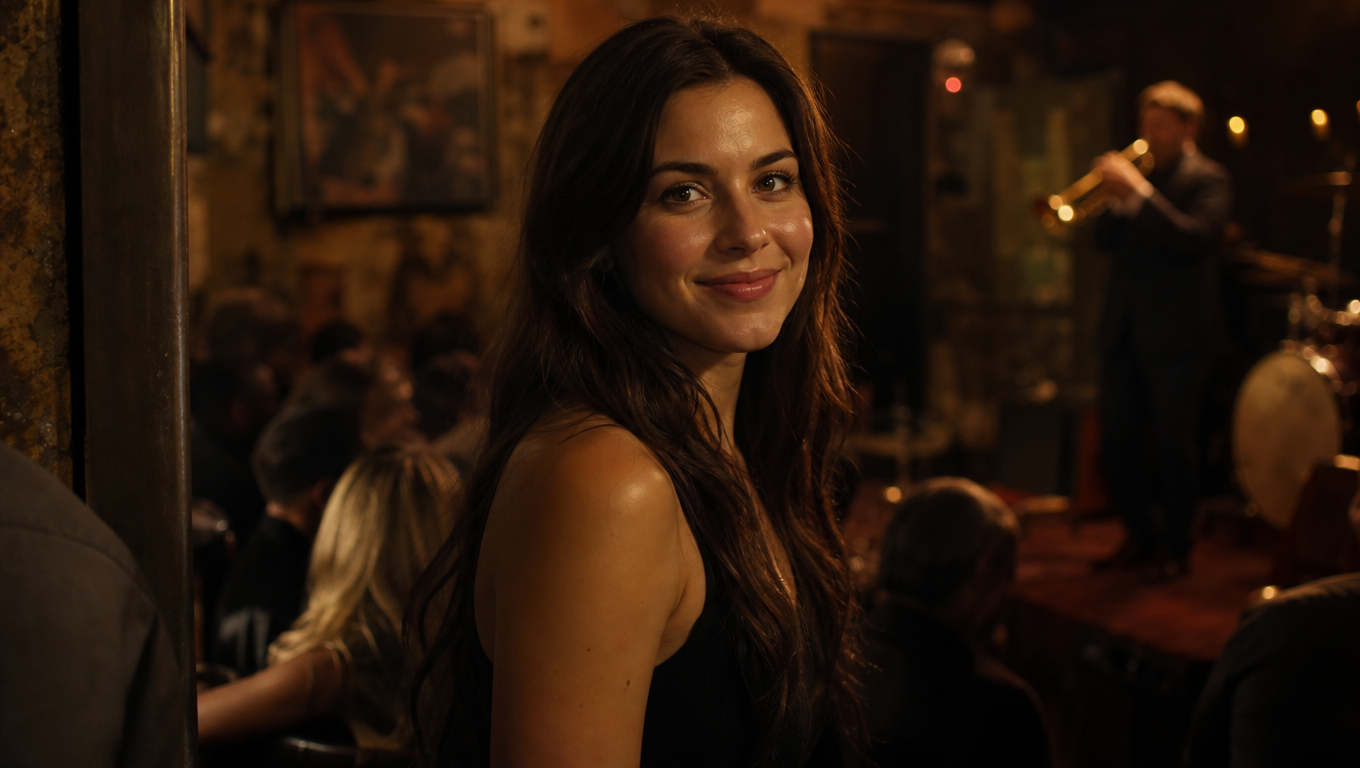
The music is not a performance for visitors. It is a working tradition, played nightly in small rooms for people who live nearby. Which is why the best gigs cost $10 and are announced on a chalkboard.
| Genre | Where | Typical cover | Note |
|---|---|---|---|
| Traditional jazz | Frenchmen Street, New Orleans | $5–15 | Cash at the door; tip the band separately |
| Brass band | Sunday second lines, street parades | free | Follow the crowd; it moves |
| Zydeco | Lafayette, Eunice, Opelousas | $10–20 | Saturdays; dancing expected |
| Cajun | Liberty Theater, Eunice | under $10 | Live radio broadcast, early start |
| Swamp pop | Lake Charles, Lafayette | $10 | 1950s R&B with a French accent |
| Bounce / hip-hop | New Orleans clubs | $15–30 | Later start, dress code varies |
3. Get out on the water
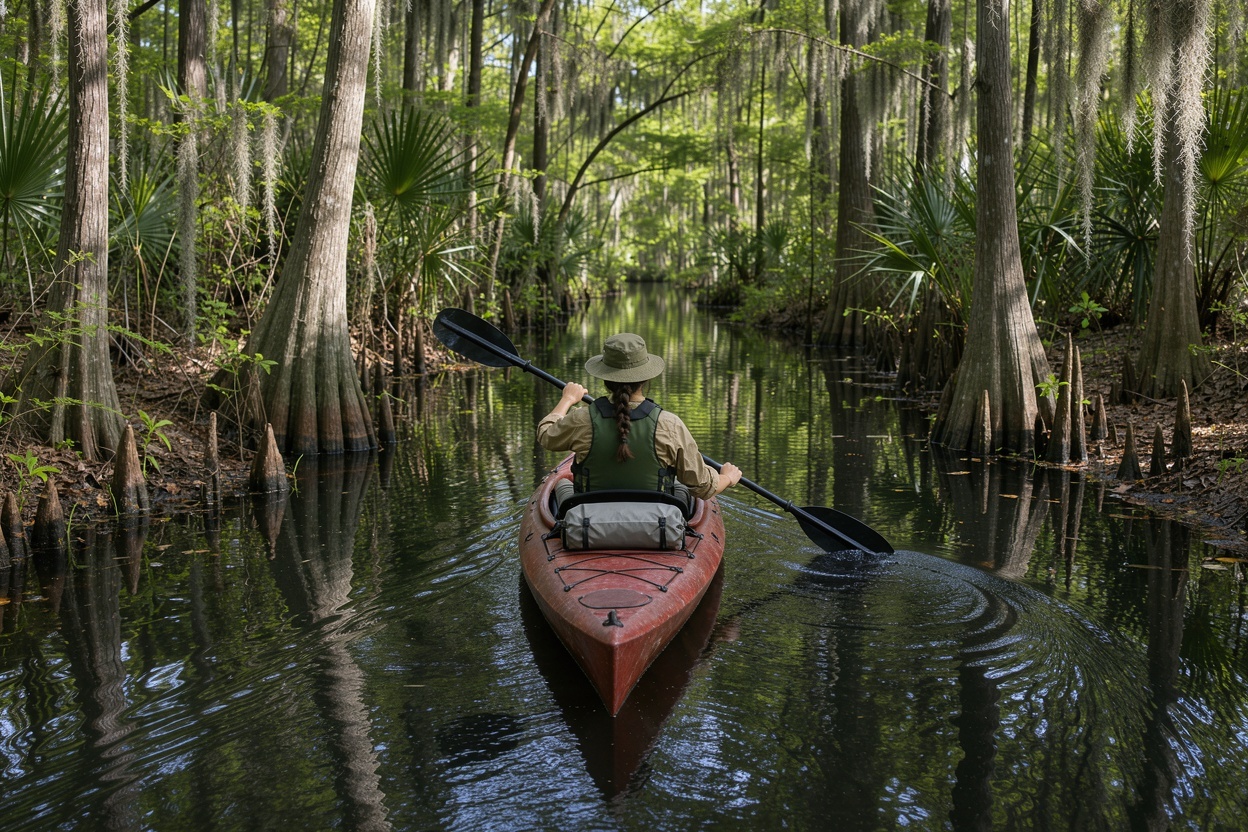
Roughly a quarter of Louisiana is wetland. The swamp is not scenery — it is the state’s circulatory system, and the fastest way to understand the place.
- Airboat — loud, fast, far. Ninety minutes is enough. Best for photography and for covering distance in the Atchafalaya.
- Pontoon or skiff with a guide — quieter, closer to birds and alligators. Half-day trips exist and are worth the extra.
- Kayak — self-guided bayou paddling near Breaux Bridge, Arnaudville and the north shore. Check water levels, tell someone your route, wear a life vest.
- State parks — 21 parks and 3 preservation areas, from Chicot’s lake to Lake Fausse Pointe’s cypress boardwalk and Bayou Segnette near New Orleans.
- Creole Nature Trail — 180 miles of marsh, refuge and empty Gulf beach near Lake Charles. The best wildlife drive in the state.
4. Travel with the full history attached
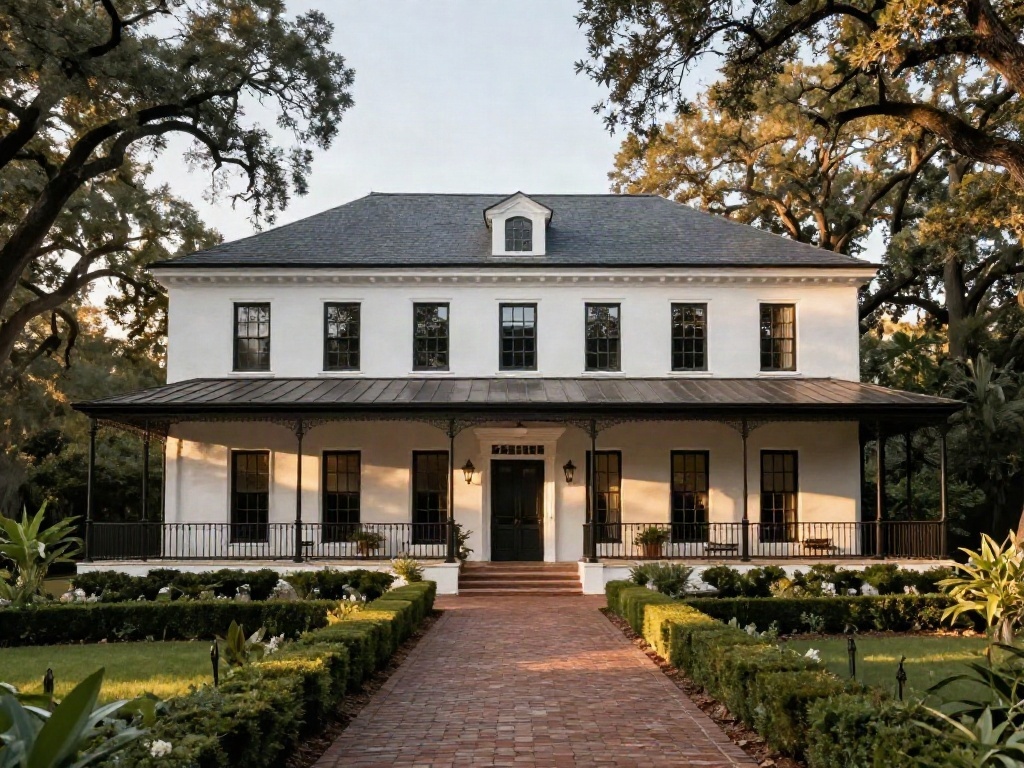
Louisiana’s heritage sites are extraordinary and uneven. Some interpret slavery rigorously; others still describe the past as “a gracious way of life”. Choose deliberately, and let the difficult sites be the centre of the visit rather than the garnish.
- Whitney Plantation — dedicated entirely to the lives of the enslaved, with a memorial and first-person narratives. The essential River Road visit.
- Oak Alley — the iconic oak canopy. Pair it with Whitney so beauty and truth sit together.
- Laura Plantation — a Creole plantation told through family documents, including the enslaved workforce.
- River Road African American Museum, Donaldsonville — the counter-narrative the big houses omit.
- New Orleans Historical Collection & the Presbytère — the 1803 Purchase, Mardi Gras history, and Hurricane Katrina.
- Poverty Point — a UNESCO-listed 3,400-year-old earthwork complex in the north-east. Free, quiet, astonishing.
- Civil Rights trail markers — New Orleans, Baton Rouge and Bogalusa all carry them; they reward an afternoon of walking.
5. Plan around a festival
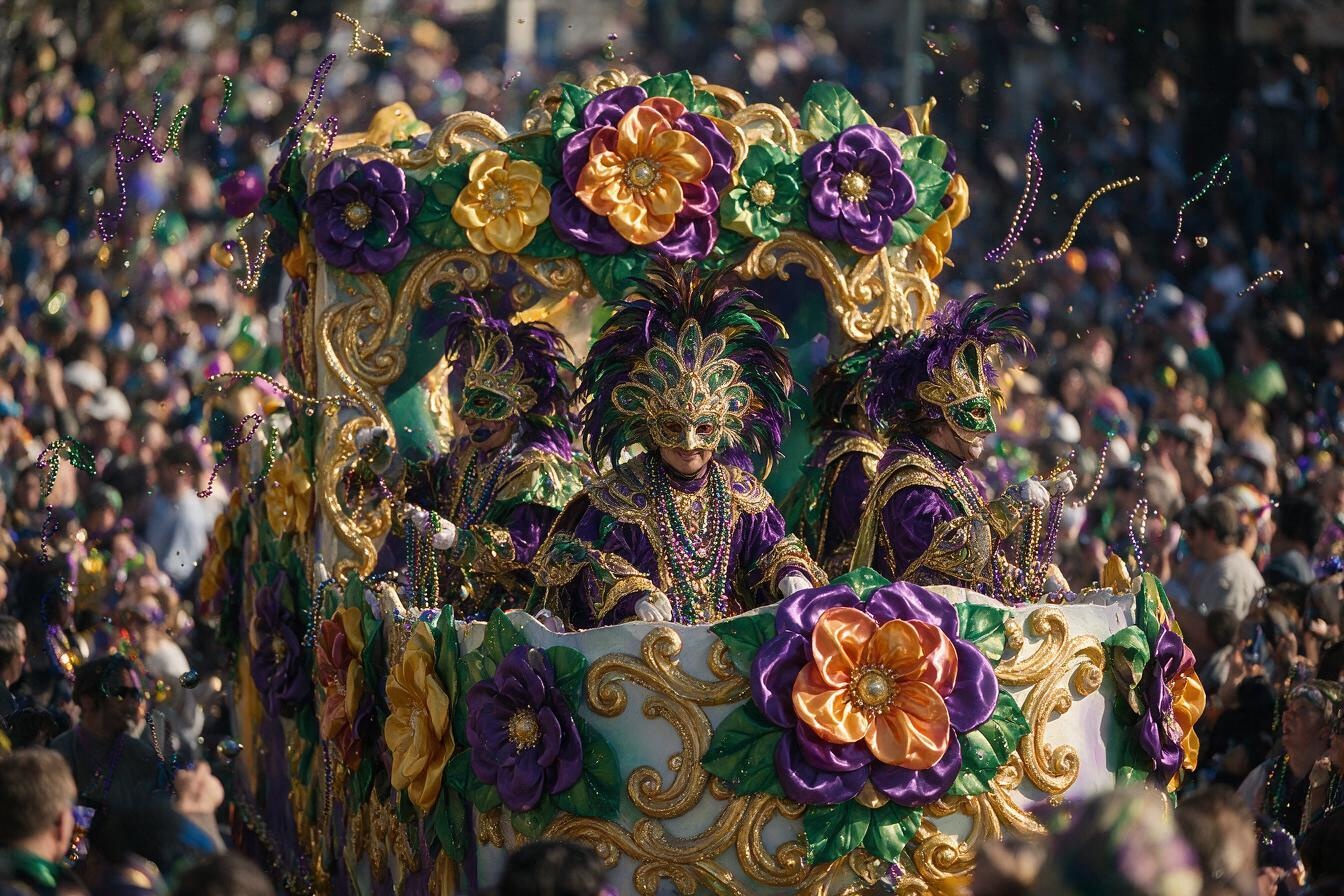
Louisiana has a festival most weekends of the year, most of them small enough to walk into without a ticket problem. The big two dominate for good reason; the rest are where you meet the state.
| When | Festival | Where | Why |
|---|---|---|---|
| Jan 6 | Twelfth Night / Mardi Gras begins | New Orleans | Season opening, king cake everywhere |
| Feb–Mar | Mardi Gras | Statewide | City parades; also rural courir de Mardi Gras |
| Mar–Apr | French Quarter Fest | New Orleans | Free, local music, better value than Jazz Fest |
| Late Apr | New Orleans Jazz & Heritage Festival | New Orleans | The big one; book months ahead |
| Early May | Breaux Bridge Crawfish Festival | Acadiana | Zydeco, crawfish, dance floors |
| Sept | La Fête des Fromages / local harvest fests | Prairie towns | Small, rural, genuinely local |
| Oct | Bridge City & parish fairs | Across the state | Rodeo, fairground food, no tourists |
| Dec | Natchitoches Christmas Festival | North Louisiana | Riverfront lights; very busy |
Booking reality
For Mardi Gras and Jazz Fest, hotels in central New Orleans sell out six to nine months ahead and rates double or triple. Either commit early, or treat those weeks as a reason to stay in Baton Rouge or Lafayette and drive in.
In pictures
Four senses, four frames