Capital region
Baton Rouge
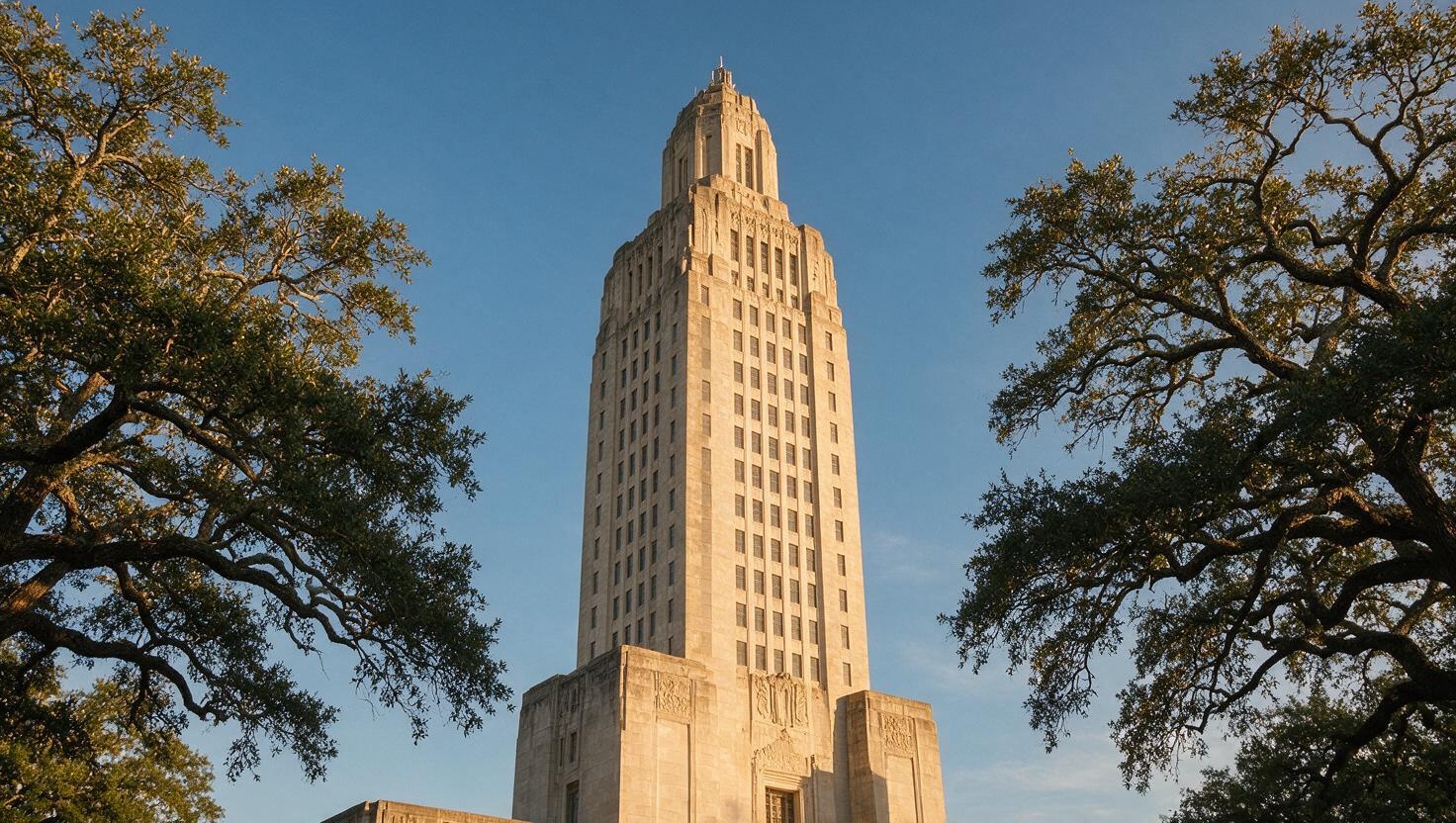
The tallest state capitol in America, a river that made the city, LSU on a Saturday, and a food scene that survives on locals rather than tourists.
Why Baton Rouge is worth a stop
Baton Rouge gets skipped. It sits on I-10 between New Orleans and Cajun Country, it has a reputation as a working capital rather than a destination, and many visitors drive straight through. That is a mistake — but it is not a mistake that requires a week.
The city delivers three things very well: a genuinely remarkable piece of Depression-era architecture, an SEC campus with a live tiger, and a cluster of free-to-cheap museums on a walkable riverfront. One full day plus an overnight is enough. Two if it is a game weekend.
The name
Baton Rouge means “red stick” in French. It comes from a cypress post stained with red ochre that marked the boundary between two Indigenous nations’ hunting grounds, noted by the explorer Iberville in 1699. The city is 300 years old.
The State Capitol: 1932 and 34 floors
Louisiana’s capitol was Huey Long’s building, and it looks like it: an Art Deco limestone tower 450 feet tall — the tallest state capitol in the United States — with carved pelicans, allegorical stone reliefs over the doors, and a decorative Senate chamber that feels more like a cinema than a legislature.
Inside, walk to the centre of the main hall and look up. Then take the elevator to the 27th-floor observation deck for a view up and down the Mississippi. On the lawn, Long’s own tomb is set into the grounds, with a statue of the man who was shot in this building in 1935.
Visitor notes
- Free to enter; the tower is a working government building, so expect a bag check.
- Weekday visits give you the building functioning. Weekend visits are quieter.
- Allow 45–75 minutes including the observation deck.
- The surrounding 27-acre gardens are pleasant for a morning walk.
LSU and Mike the Tiger
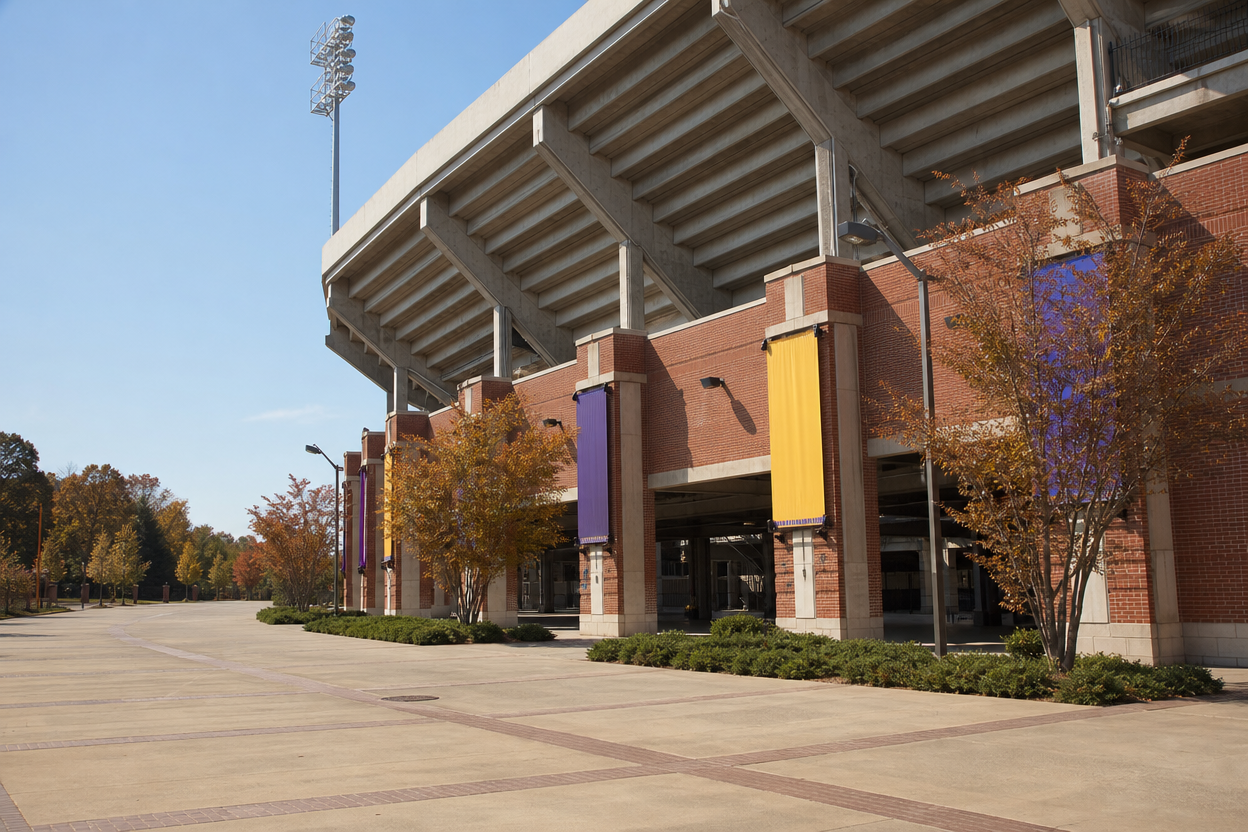
Louisiana State University is a five-minute drive south of downtown, and the campus is a proper American campus: red brick, live oaks, a lake, and 30,000 people in purple and gold on a football Saturday.
What to see on a normal day
- Mike the Tiger’s habitat, beside Tiger Stadium — a real, spacious enclosure for the live mascot, viewable from outside. It is the most-visited spot on campus and costs nothing.
- Tiger Stadium itself — 102,000 seats, the sixth-largest stadium in the world. On game day, walking past it at dusk with the band warming up is the whole experience.
- The LSU Museum of Art and the LSU Rural Life Museum, the latter set on 450 acres with relocated historic buildings and a very good plantation-and-slavery interpretation programme.
- The LSU Lakes — a 4-mile loop popular with runners, herons and pelicans.
- The Quad in spring, when the oaks are leafing and the campus is at its best.
Game weekends change everything
Hotels within 30 miles sell out and rates triple. Traffic on Nicholson Drive is a car park from mid-afternoon. If you are not going to the game, do not try to be downtown that evening — or embrace it, find a tailgate, and accept that this is the most Louisiana cultural experience in the capital.
The riverfront and downtown museums
Downtown Baton Rouge has been quietly rebuilt around its river edge, and the result is a genuinely nice two or three hours on foot.
- USS Kidd Veterans Museum — a World War II destroyer permanently moored on the Mississippi. You can walk the decks. Extraordinary value, slightly claustrophobic, worth it.
- Louisiana Art & Science Museum next door — the state’s largest, with a planetarium and an IMAX-style dome.
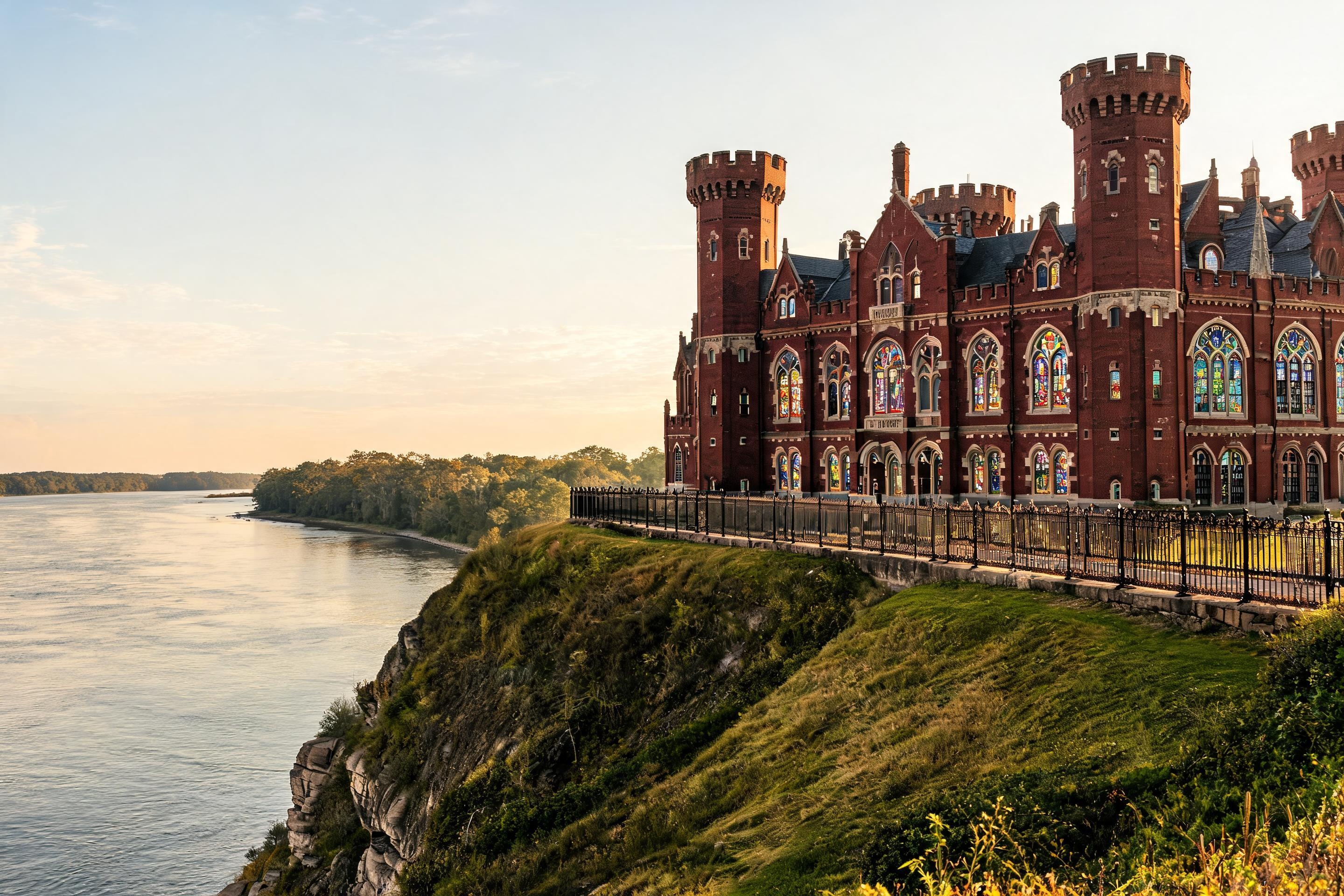
- Old State Capitol — a Gothic Revival castle on a bluff above the river, now a museum of political history. Visually bizarre and unexpectedly beautiful.
- Shaw Center for the Arts — contemporary exhibitions and a good café, in a bright modern building at the top of Third Street.
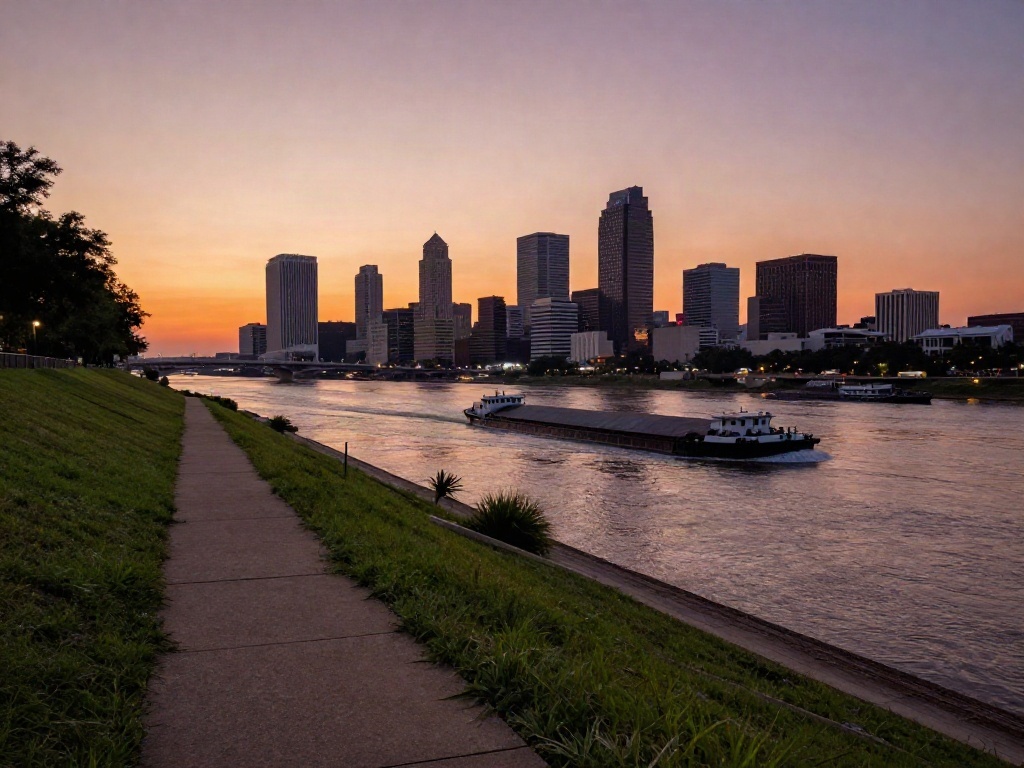
- The levee path — walk or run along the top of the levee; the river is genuinely enormous and moves fast.
The old Governor’s Mansion on North Boulevard is another hour well spent if you like period interiors, and the Magnolia Mound plantation house gives an honest small-scale account of the area’s plantation economy.
Where to eat
Baton Rouge has no tourist food district, which works in your favour. The good restaurants are in strip malls, old houses and neighbourhood corners, and prices are noticeably below New Orleans.
- Try the local Creole-Italian crossover. Baton Rouge has a strong Sicilian-Louisiana tradition — look for olive salad, muffulettas and red gravy alongside gumbo.
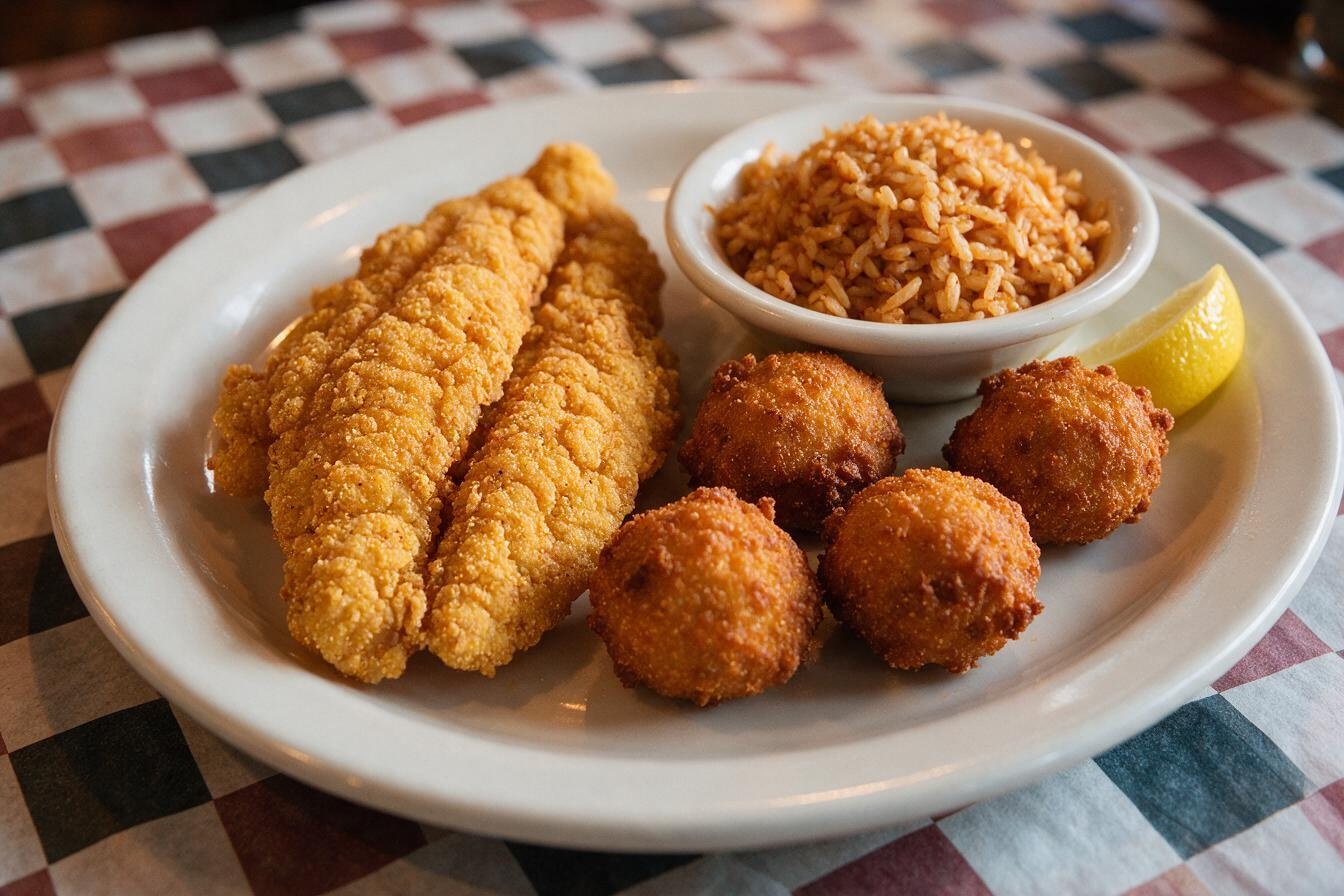
- Seafood is the safe bet. Fried catfish, oysters and boiled crawfish in season.
- Breakfast is a serious local institution — plate lunches, grillades and grits, and biscuits that are not a garnish.
- Near campus on the Chimes Street strip you will find the student-and-alumni classics, cheap and reliable.
Practical notes
- Getting there: MSY (New Orleans) is about 80 minutes; BTR airport is 15 minutes from downtown. I-10 and I-12 meet here.
- Getting around: a car is easiest. Downtown to LSU is a 10-minute drive; bus service exists but is slow.
- Parking: plentiful downtown and cheap compared with New Orleans.
- Best season: October–April. Summer is punishing.
- Time needed: 1 day / 1 night; 2 nights on a game weekend.
A efficient one-day plan
- 9am — State Capitol tower and observation deck.
- 11am — Old State Capitol and the levee walk.
- 12:30pm — lunch downtown.
- 2pm — USS Kidd or the Art & Science Museum.
- 4pm — drive to LSU: Mike the Tiger, Tiger Stadium, the lakes.
- 7pm — dinner near campus or on Government Street.
The capital in pictures
Red stick, red brick, brown river