Acadiana
Cajun Country
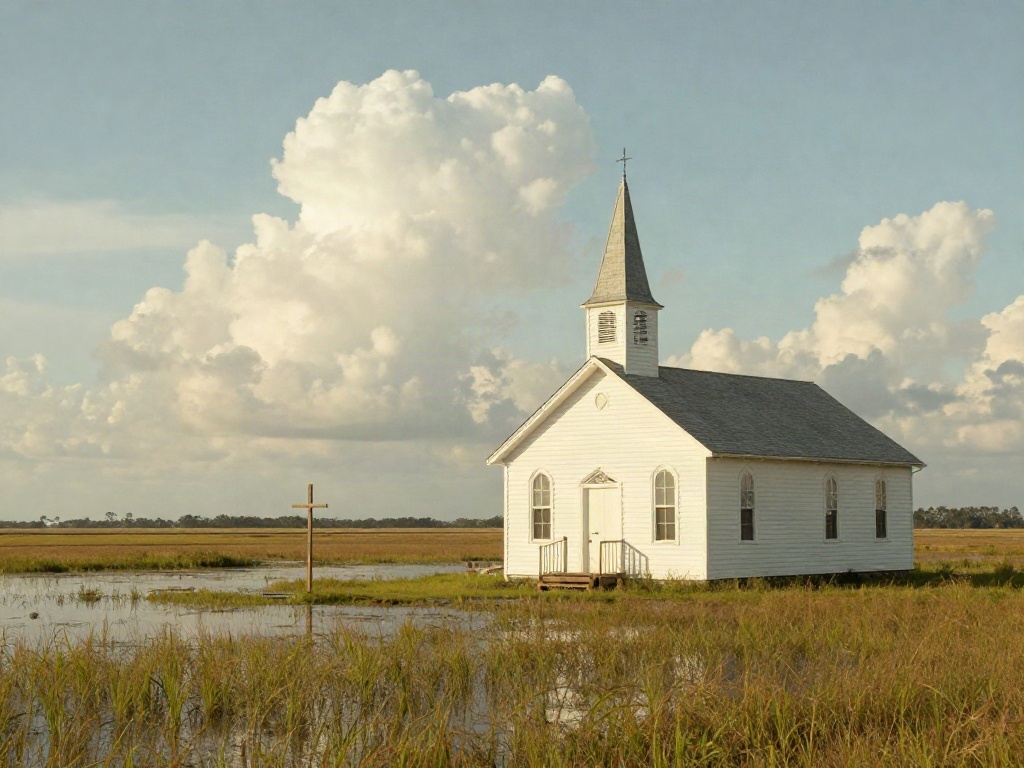
Twenty-two parishes of prairie, rice field and swamp where French is still spoken at the hardware store, and the dance floor opens at eight.
What “Cajun” actually means
The Acadians were French settlers in what is now Nova Scotia. Between 1755 and 1764 the British expelled them in the Grand Dérangement; several thousand eventually reached Spanish-controlled Louisiana, settling on the prairie and along the bayous where nobody else wanted to farm. They brought a language, a cuisine built around the pig and the one pot, and a music built around the fiddle and accordion.
Two terms get confused constantly. Cajun refers to that Acadian-descended rural culture of south Louisiana. Creole, in Louisiana usage, originally meant a person born in the colony of any ancestry — and is still used that way by many families of colour here. Acadiana is roughly the 22-parish region centred on Lafayette.
Language, alive
An estimated 100,000+ people still speak Louisiana French or Creole French. Immersion schools in Lafayette, St Martin and Vermilion parishes are producing a new generation of fluent speakers. If someone addresses you in French in Arnaudville, answer in French if you can.
Lafayette: the hub, not the whole story
Lafayette is where you base yourself — decent hotels, the airport, and the best concentration of restaurants and venues. Downtown is compact and walkable for an evening: around Parc Sans Souci and Jefferson Street you can eat, hear music and be in bed by a reasonable hour.
In Lafayette, worth your time
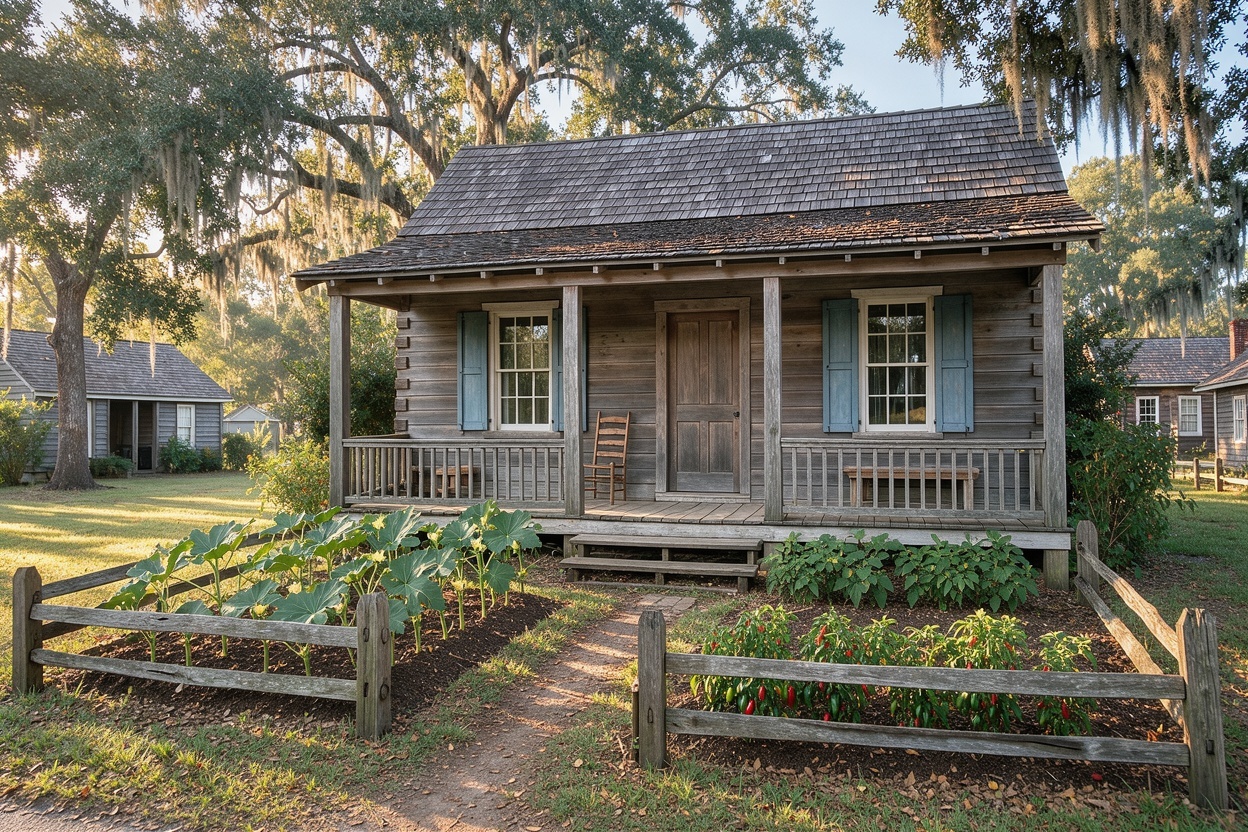
- Vermilionville — a 23-acre living-history village recreating Acadian life from 1765 to 1890, with artisan demonstrations and a strong interpretive programme on both Acadian and Creole/African American residents.
- Hilliard Art Museum on the UL Lafayette campus — better than a regional university museum needs to be.
- Downtown on a second Saturday — art walk, food and music, and a good way to spend an evening without planning anything.
- Blue Moon Saloon and the small rooms around it — the best known venue for Cajun and zydeco, with a courtyard and a guesthouse attached.
The prairie towns that make the region
Lafayette is fine, but the reason to come is the twenty-minute radius around it. These are real towns, not attractions:
Breaux Bridge — crawfish capital
About 10 miles east, and the self-declared crawfish capital of the world. Eat crawfish étouffée here, browse the antique shops on Bridge Street, and go out to a dance hall on the edge of town. The crawfish festival in early May fills every bed within 30 miles, so book far ahead or avoid it deliberately.
St Martinville — the oldest, and the hardest history
Founded 1765 by Acadians, with the Evangeline Oak on the bayou behind the church and a small African American Museum documenting the enslaved and freed people of the region. The Longfellow-Evangeline State Historic Site nearby interprets the mixed Creole and Acadian cultures of the bayou.
Eunice — the real thing
Half an hour north-west, and the most purely Cajun town on the circuit. The Liberty Theater’s Saturday-night Rendez-vous des Cajuns radio show is broadcast live in Cajun French — an hour of music and comedy for a few dollars. The Eunice Crawfish Étouffée Cook-off and the prairie Mardi Gras, where masked riders on horseback beg for gumbo ingredients, are both cultural rather than commercial.
Arnaudville and the Vermilion
Small, artsy, French-speaking, on a bayou that is beautiful at dusk. A good place to rent a kayak and get on water without the airboat roar.
What to eat here that you cannot eat better elsewhere
Cajun cooking is not Creole cooking with a different accent. It is rural: one pot, a dark roux, the whole pig, and seasoning that builds rather than shouts.
| Dish | What it is | How to order it |
|---|---|---|
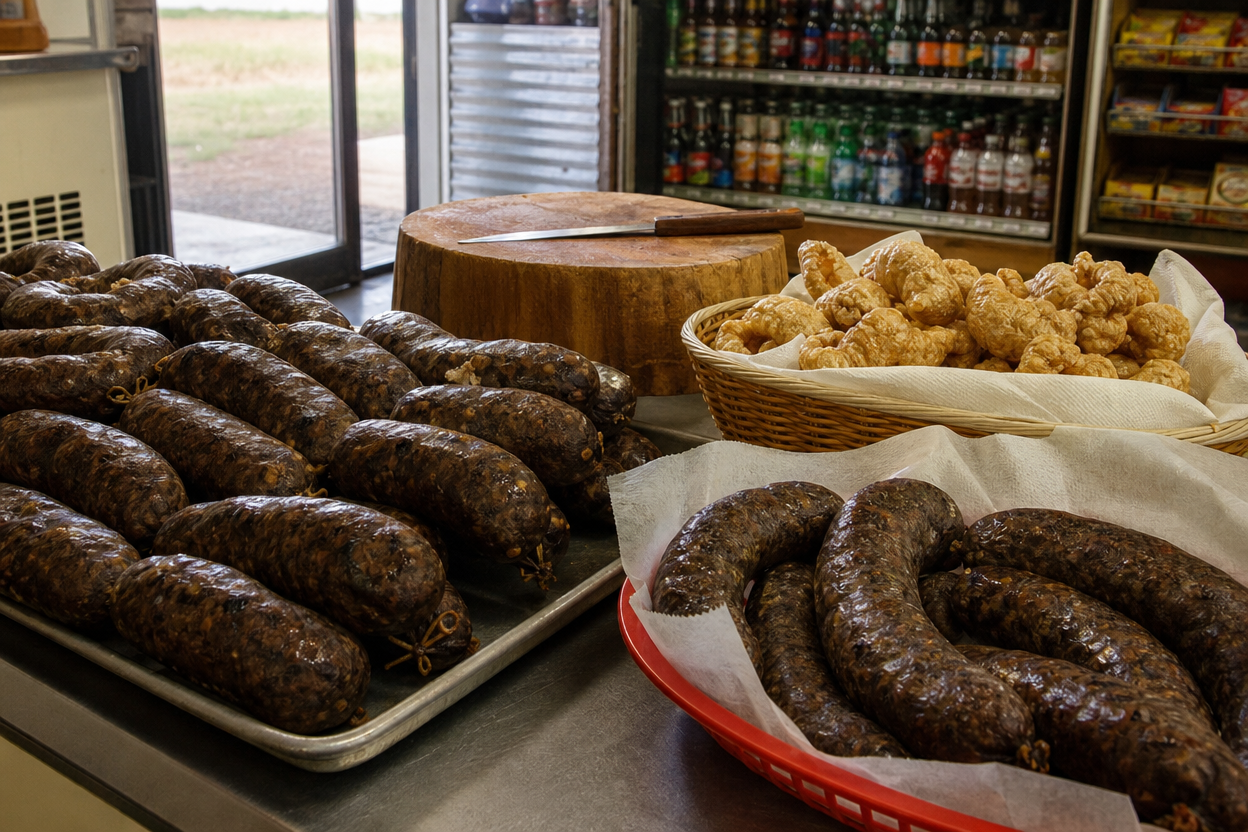
| Boudin | Pork, rice, liver and seasoning in a casing | By the link, warm, from a counter. Eat it with your hands, standing up. |
| Cracklins | Fried pork skin and belly | Fresh, hot, not from a packet. Ask if they are today’s. |
| Étouffée | Crawfish smothered in a roux, over rice | Whichever the kitchen does best — ask. Never “creamy”. |
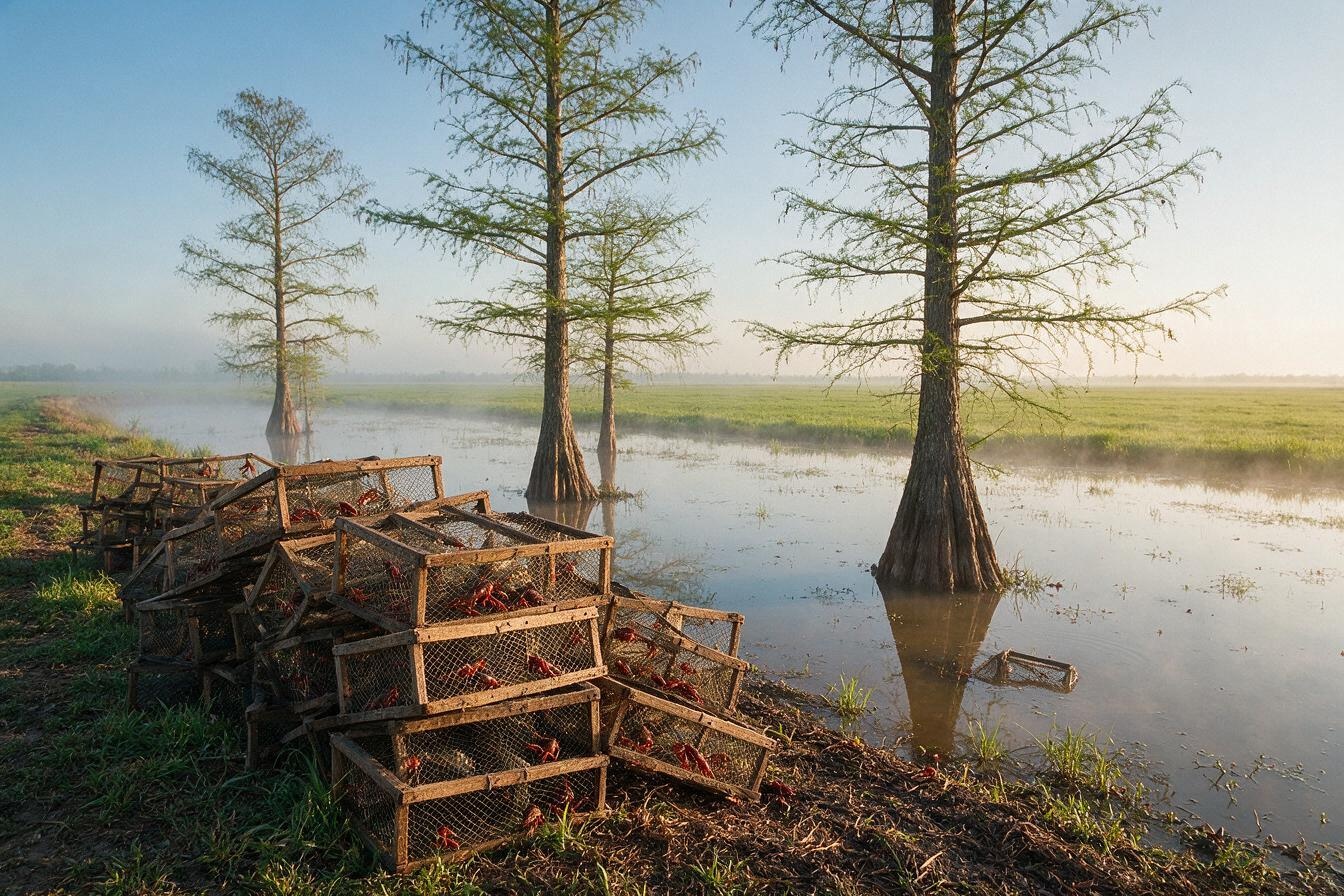
| Boiled crawfish | Live crawfish boiled with potato, corn, garlic, sausage | By the pound, March–May. Learn the twist-and-pull. |
| Gumbo | Roux-thickened stew; here often with chicken and tasso | Look for the darkest roux in the room. |
| Tarte à la bouille | Custard tart | Dessert. Buy two. |
Zydeco, Cajun and the dance floor
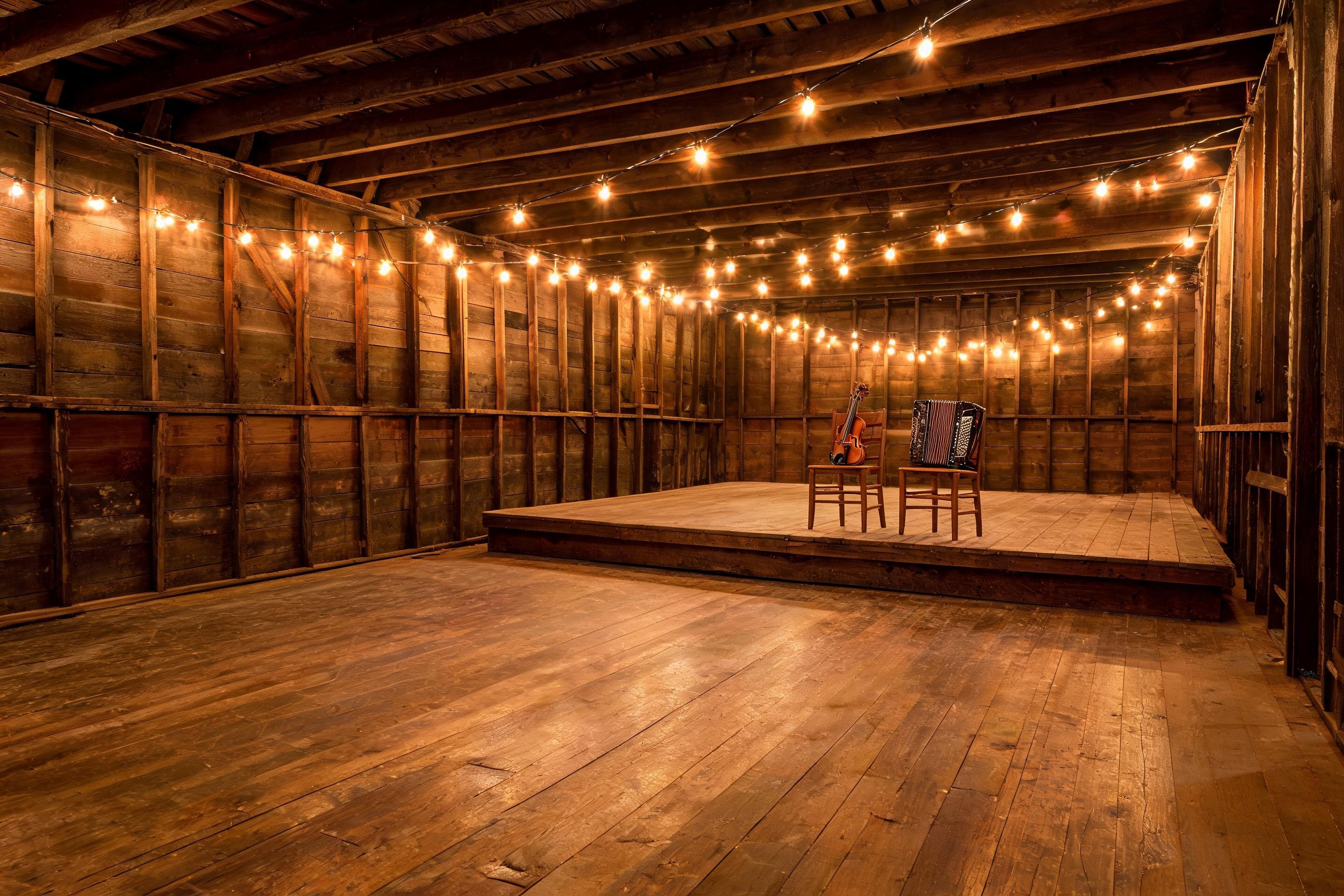
Cajun music is French-language, fiddle-and-accordion, and it swings. Zydeco is the Creole counterpart from the same parishes: accordion, rubboard (the corrugated metal vest), electric bass, and a heavier R&B backbeat. Both are dance music, and the etiquette is simple — if a couple asks you to dance, say yes, and if you do not know the step, watch one song first.
- Saturday night, Eunice: the Liberty Theater show, early (6pm), family-friendly, live radio.
- Any night, Lafayette: Blue Moon Saloon, and the downtown rooms on Jefferson Street.
- Sunday afternoon: zydeco brunches and outdoor dances; check local listings on the day.
- Bring cash for covers and tips, and expect to be dancing within 20 minutes whether or not you planned to.
The Atchafalaya Basin
The Atchafalaya is the largest river swamp in North America: roughly a million acres of cypress and tupelo between the levee and the Gulf. It is not a theme park. Get out into it with a licensed guide.
- Airboat — fast, loud, great for distance and photography. Around 90 minutes to 2 hours from the Basin’s northern edge.
- Pontoon / slow boat — better for birds, quieter, closer to the water. Half-day options exist.
- Kayak — self-guided on marked bayous near Henderson and Breaux Bridge; check water levels and always tell someone your route.
- Boardwalks — the Basin boardwalk at the Atchafalaya Welcome Center and Lake Fausse Pointe State Park give you the cypress without the boat.
Timing the crawfish season
Live-boil season runs roughly March to early June, peaking April. Outside that window you will be eating frozen-tail étouffée — fine, but not the point. Prices swing with the harvest, and a late cold winter pushes everything back a few weeks.
Practical notes
- You need a car. There is no useful regional rail. Lafayette (LFT) has a small airport; many visitors drive from New Orleans (2h15) or Baton Rouge (1h).
- Distances are short but slow. Two-lane highways, farm equipment and a lot of sugarcane trucks. Do not over-schedule.
- Sunday is quiet. Many small-town restaurants close Sunday afternoon and Monday.
- Hurricane season matters more here than inland — low-lying parishes flood. Buy flexible bookings for August–October.
- Language — a “bonjour” or “merci” goes a long way and is genuinely appreciated, not condescending.