Southeast Louisiana
New Orleans
A 300-year-old French-Spanish-Caribbean-African city that invented its own music, its own cooking and its own relationship with the night. Here is how to actually spend your days in it.
Orientation: the city is a crescent, not a grid
New Orleans wraps around a bend in the Mississippi, which is why locals talk about downriver and upriver rather than north and south. The French Quarter sits on the highest, oldest ground. Everything you have heard about the city being below sea level is true of the newer neighbourhoods, not the Quarter, which was built on a natural levee and stayed comparatively dry in 2005.
For a first visit, three areas cover almost everything: the French Quarter (history, architecture, the tourist crush), Marigny and Bywater immediately downriver (where locals go out), and Uptown along the streetcar line (Garden District mansions, Tulane, Audubon Park). Add a half-day for a swamp tour or the River Road and you have a full trip.
Bourbon Street is not the French Quarter
Bourbon is one eight-block strip of frozen daiquiris and souvenir shops. Two blocks either side of it you find the quiet courtyards, the Creole cottages and the restaurants that made the city’s reputation. Walk Bourbon once, at night, for the spectacle — then leave.
The French Quarter, properly
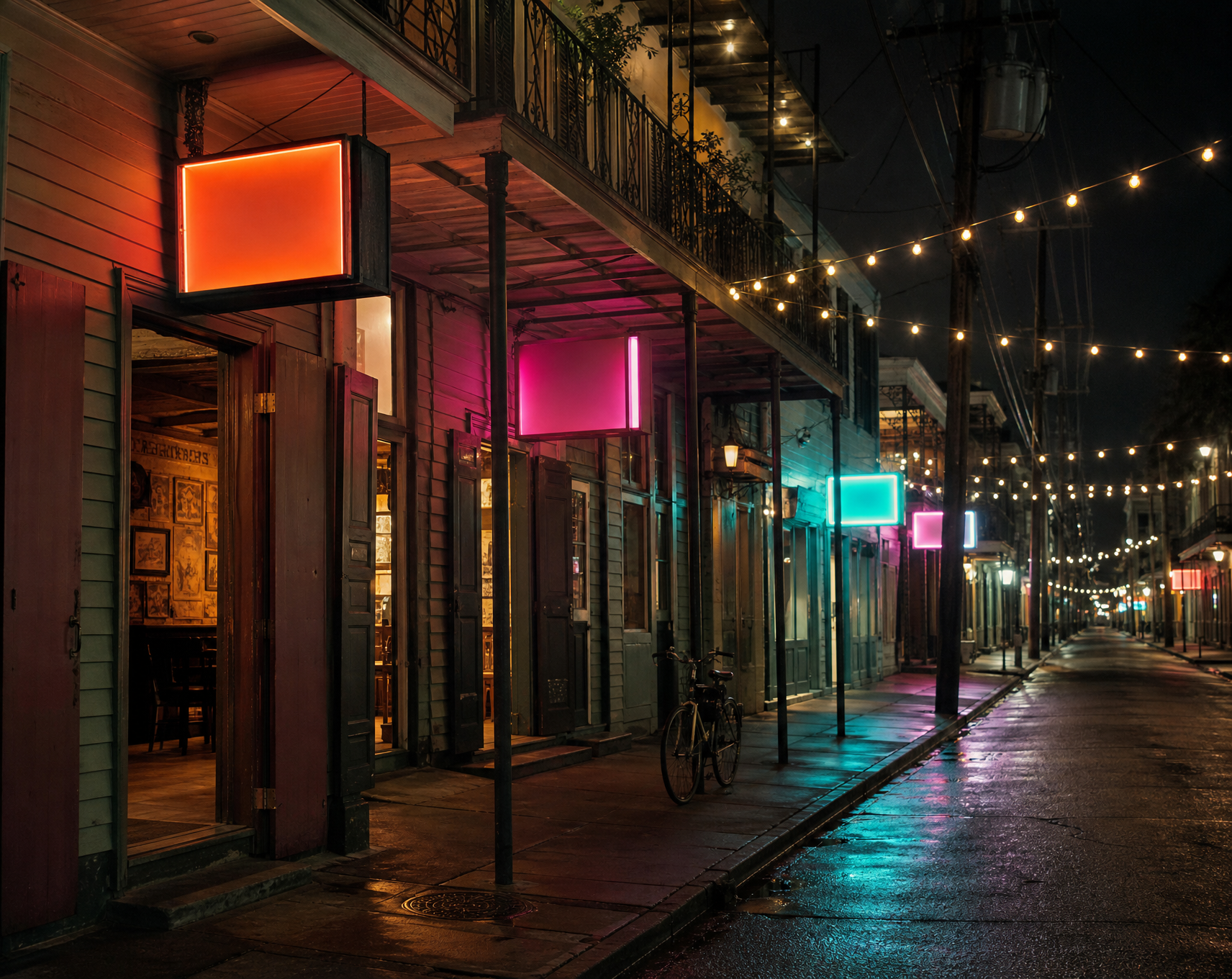
The Quarter is roughly 78 blocks, laid out in 1721, and best understood as an open-air museum of Creole architecture: brick-between-post construction, hidden courtyards, iron galleries that shade the pavement, and shutters that actually work. The Spanish rebuilt much of it after two devastating fires in the 1780s and 1790s, which is why the “French” Quarter looks so Spanish.
A good walking order
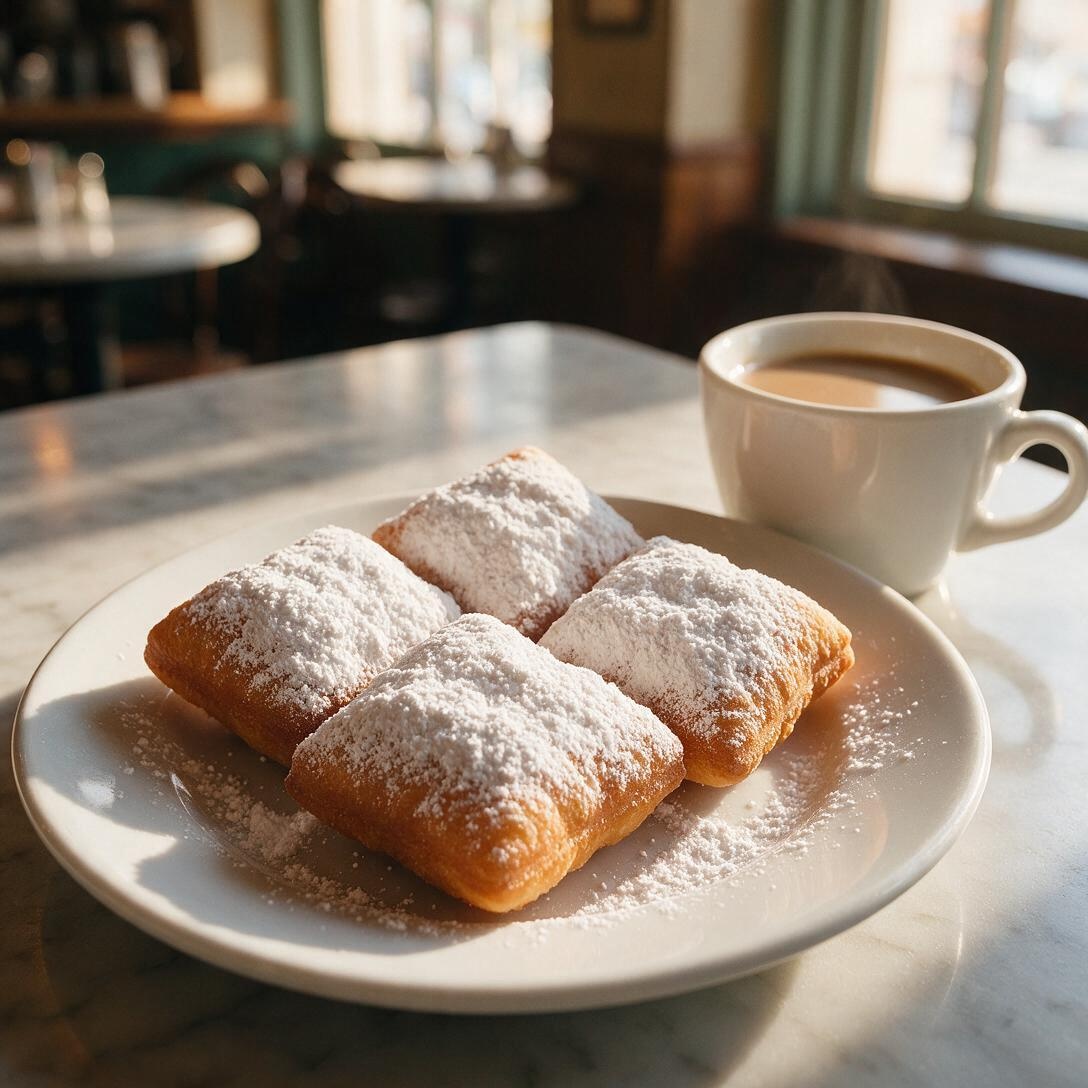
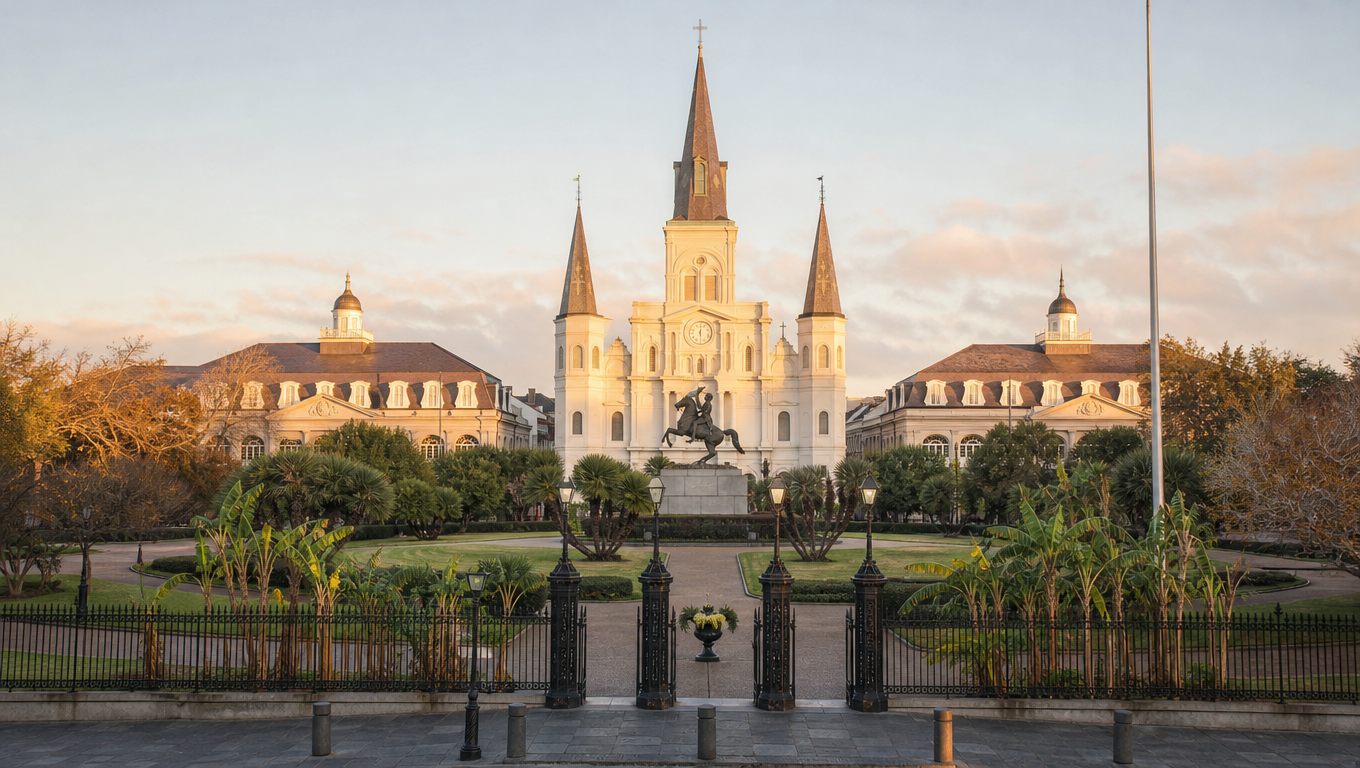
- Early morning (7–9am): Jackson Square before the tarot readers arrive, then Café du Monde for beignets and chicory coffee. The line moves fast; the takeaway window is usually quicker.
- Royal Street: the best architecture and the antique shops, quieter than Bourbon and better lit.
- Presbytère and the Cabildo on either side of the cathedral — the state museum’s two best buildings, with real depth on the 1803 Purchase and Hurricane Katrina.
- Royal Street to Esplanade: the residential end of the Quarter, where people actually live. Lower Decatur and the French Market for lunch.
- Late afternoon: the riverfront at Woldenberg Park, then a streetcar or walk up to Canal Street for the wider city.
What is worth paying for
- Historic New Orleans Collection — free, excellent, and in a beautiful Royal Street townhouse complex.
- Presbytère — the Mardi Gras exhibit is genuinely one of the best museum displays in the American South.
- St Louis Cathedral — free to enter outside Mass; the painted ceiling surprises people.
- A courtyard lunch — the single most “New Orleans” thing you can buy. Book one, sit still for two hours.
Marigny & Bywater: where the city goes out
Cross Esplanade Avenue and the crowds thin immediately. The Faubourg Marigny is a grid of colourful Creole cottages five minutes’ walk from the Quarter, and Frenchmen Street is its spine: four blocks of clubs, all within earshot of each other, with no cover charge at most of them and a rotating cast of brass bands, funk and modern jazz.
Wednesday to Saturday is the reliable window. Start around 8pm, wander until you find something you like — that is the correct method — and expect to pay a cover of $5–15 at the better rooms, cash. Carry small bills.
Continue into the Bywater for the neighbourhood’s newer restaurants, the Crescent Park river walk, and a very different pace: shotgun houses, murals, and a levee you can walk along for a mile.
Night-safety, honestly
New Orleans is a normal city with a tourist-district theft problem. Stick to lit streets, do not walk alone deep into unfamiliar blocks after 1am, keep your phone out of your hand while walking, and ignore anyone who approaches you with a “bet I can tell you where you got your shoes”. It is one of the oldest cons in America.
Uptown and the Garden District
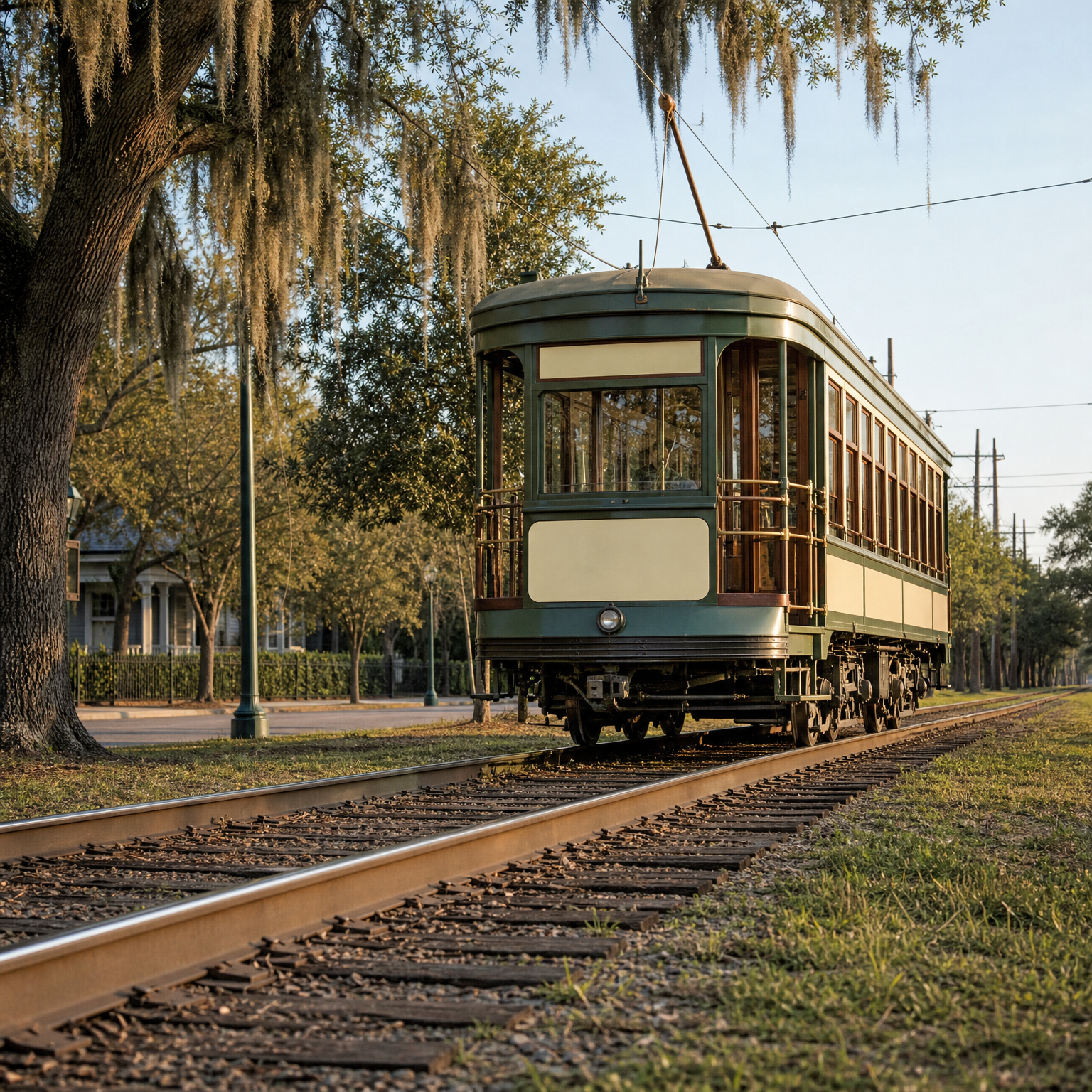
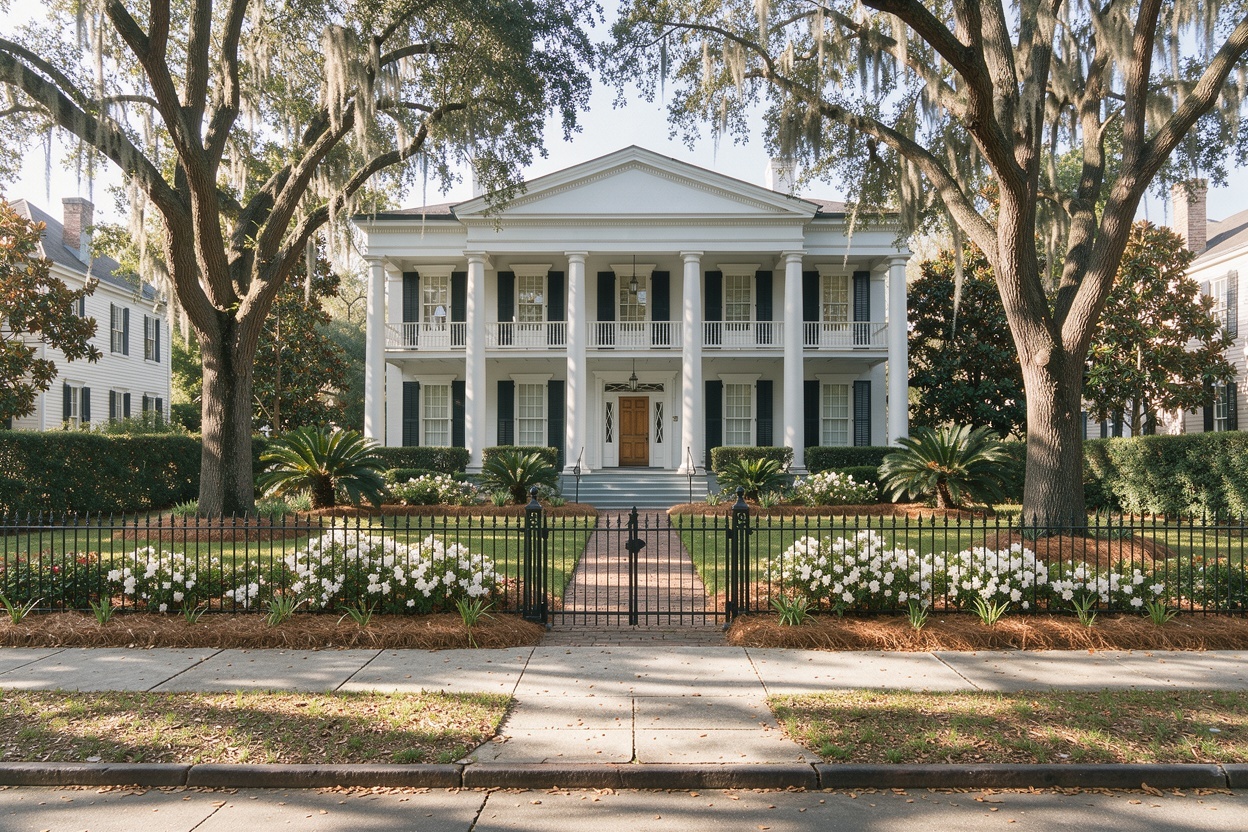
Take the St Charles Avenue streetcar ($1.25, exact change, no cards) from Canal Street and ride about 25 minutes to the Garden District. The line is the oldest continuously operating street railway in the world and the ride itself is the attraction: Greek Revival mansions, live oaks, and the willing suspension of disbelief that you are in the United States.
Get off around Washington Avenue or Third Street and walk the blocks between St Charles and Magazine: Lafayette Cemetery No. 1 (check current opening status), the Cornstalk fences, and the houses of the American sector built after 1832. Then walk down to Magazine Street for four miles of independent shops and small restaurants.
Further along St Charles you reach Tulane and Loyola Universities and Audubon Park — a 350-acre park with an oak-lined lagoon that is the city’s best free afternoon.
What to eat, and where the distinction matters
New Orleans cooking is Creole: a city cuisine shaped by French technique, Spanish ingredient exchange, African cooking methods, and Sicilian immigrants who arrived in the nineteenth century. It is richer and more sauce-based than Cajun food, which comes from rural Acadiana and relies on smoke, one pot, and the pig.
You should eat all of the following at least once:
- Gumbo — dark roux, the trinity of onion-celery-bell pepper, and either okra or filé powder. Seafood, chicken-and-sausage, or gumbo z’herbes.
- Po’ boy — French bread that must be crisp on the outside, filled with fried shrimp, oysters or roast beef “dressed” (lettuce, tomato, pickle, mayo).
- Red beans and rice — traditionally Monday, the washday dish. Ask whether it is on today.
- Beignets — fried dough under a snowstorm of powdered sugar. Eat them immediately and do not wear black.
- Muffuletta — the Sicilian sesame bread sandwich with olive salad, best bought at the Central Grocery counter.
- Sno-ball — shaved ice with flavoured syrup, a summer institution. Nectar is the classic cream soda flavour.
A realistic eating day
| Time | What | Where to look |
|---|---|---|
| 7:30am | Beignets + café au lait | Decatur Street institutions, or a neighbourhood bakery |
| 11:30am | Po’ boy | Uptown or Mid-City shops, not the Quarter |
| 2pm | Sno-ball | Any stand with a queue in summer |
| 6:30pm | Gumbo or oysters | Creole bistros along Magazine or in the Marigny |
| 9pm | Music, then a late plate | Frenchmen Street, then a 24-hour diner |
Hearing music properly
Do not book a “jazz cruise” and call it done. The music that matters here happens in small rooms with a $10 cover and 60 seats. A few principles:
- Brass bands are a daytime and street phenomenon. Look for second-line parades on Sunday afternoons; they are free and open to anyone who keeps up.
- Frenchmen Street, Wednesday to Saturday is the highest-density, lowest-risk option for a visitor.
- Preservation Hall is touristy and also genuinely good — book the early set, sit on the floor, accept the squeeze.
- Tip the band. Cash in the bucket is how the players get paid.
Getting around without a car
- Walk. The Quarter, Marigny and CBD are genuinely walkable. Wear flat shoes; the pavements are uneven and the slate is slippery after rain.
- Streetcar. St Charles, Canal and the riverfront lines. $1.25 per ride, exact change, or a Jazzy Pass for a day or multi-day.
- Bus and rideshare. Cheap and available; surge pricing after big events is real, so walk a few blocks away from the venue first.
- Car. Hire one only to leave the city. Parking in the Quarter is expensive and pointless.
- Airport. MSY is about 25 minutes from the CBD. There is a public bus, but rideshare is the practical choice with luggage.
If you have one extra day
Drive the River Road to Oak Alley and Whitney Plantation (1 hour each way), or take a morning swamp tour from Jean Lafitte or Honey Island. Both are in the five-day itinerary.
The city in four frames
What you came for
Street music, sugar, steel rails and the quiet uptown blocks behind the mansions.